Table of Contents
When buyers discuss semiconductor procurement, the focus is almost exclusively on lead times and pricing. However, as an active participant in the semiconductor logistics market, we know that the physical journey of a component—especially raw wafers—is fraught with risk. The wafer integrated circuits shipping handling market is highly specialized, and a single mishandling event can destroy millions of dollars worth of inventory.
Why Is Specialized Logistics Critical for Bare Wafer Shipping?
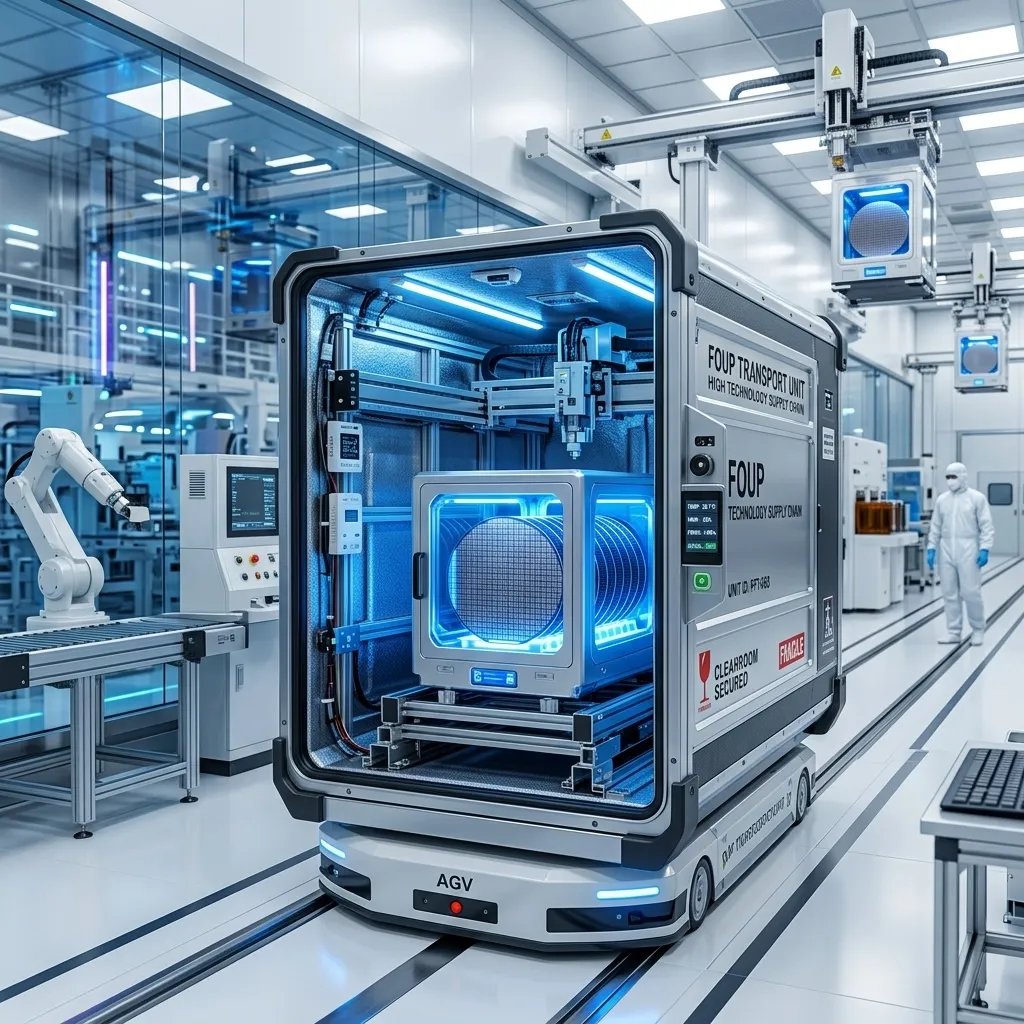
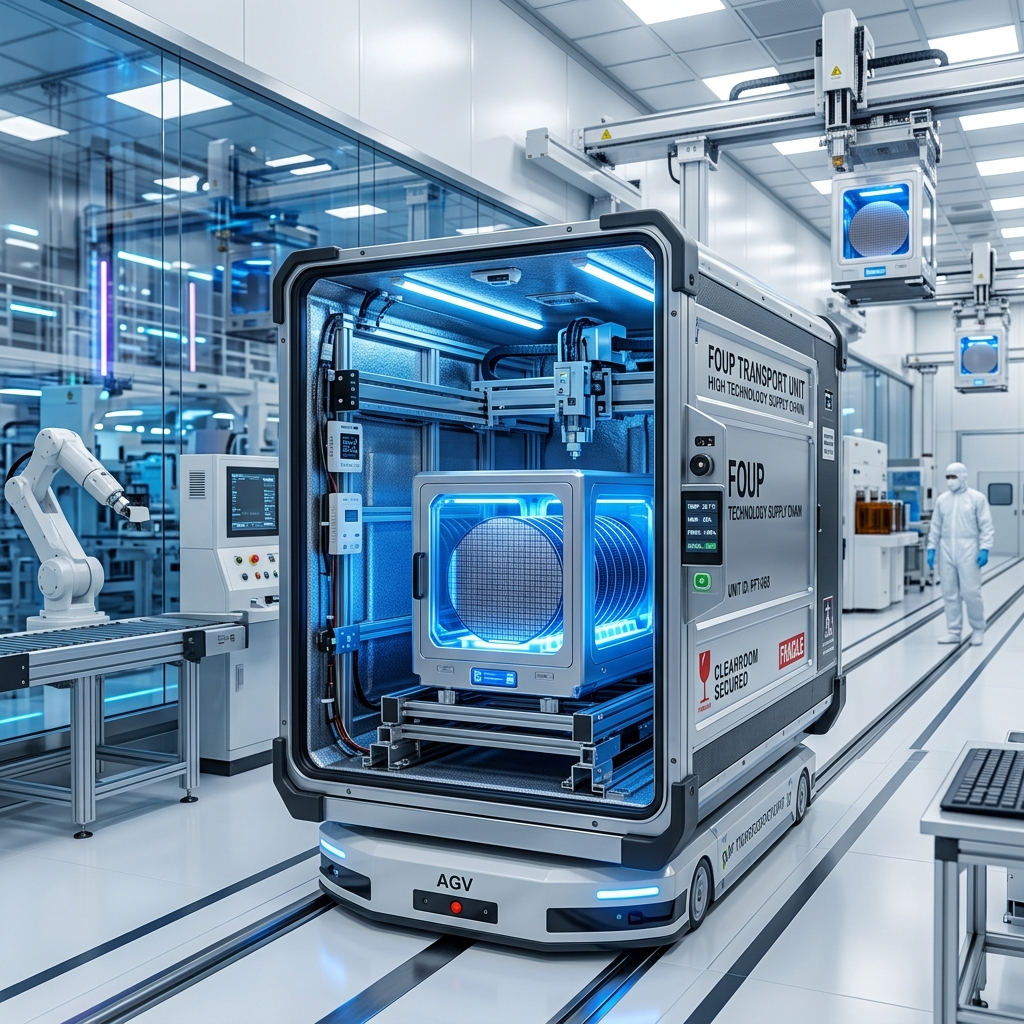
The wafer integrated circuits shipping handling market requires hyper-specialized logistics because bare wafers are highly susceptible to micro-cracking, electrostatic discharge (ESD), and moisture damage. According to SEMI’s 2026 standards report, physical shock or exposure to uncontrolled humidity accounts for nearly 8% of pre-packaging yield loss globally. Transporting these assets necessitates strictly controlled FOUP (Front Opening Unified Pod) environments and shock-monitored transit.
How Do We Ensure the Integrity of Semiconductor Shipments?
As a supplier entrusted with high-value components and occasional wafer-level logistics for specialized clients, we implement protocols that exceed standard freight forwarding standards. The semiconductor logistics market demands absolute perfection.
Last quarter, we coordinated the transit of specialized silicon carbide (SiC) wafers from a European fabrication plant to a testing facility in Southeast Asia. This wasn’t a standard FedEx drop-off. Our process included:
- Vibration and Shock Monitoring: Every container was equipped with 3-axis IoT shock sensors. If a pallet was dropped or subjected to excessive vibration, we received an immediate alert.
- Climate Control (Temperature & Humidity): Wafers and moisture-sensitive devices (MSD) require strict atmospheric controls. We utilize active climate-controlled transit cases that maintain optimal humidity levels, preventing oxidation of the delicate metal layers.
- Strict ESD Protocols: From our receiving dock to the final delivery, every touchpoint is grounded. Our personnel use highly specialized ESD-safe apparel and handling equipment.
What Are the Key Vulnerabilities in Semiconductor Logistics?
To understand why standard logistics fail for electronics, consider the following environmental vulnerabilities:
| Risk Factor | Impact on Wafer / Component | Our Logistics Mitigation Strategy |
|---|---|---|
| Electrostatic Discharge (ESD) | Latent defects, immediate dielectric breakdown | 100% ESD-shielded packaging, grounded handling zones |
| Moisture Absorption | Popcorning effect during reflow, oxidation | Desiccant packing, active humidity monitoring |
| Mechanical Shock / Vibration | Micro-cracking, edge chipping on bare wafers | Foam isolation packaging, real-time shock sensor tracking |
Source: SupplyICs Logistics & QA Guidelines.
How Can Buyers Audit Their Logistics Partners?
If you are purchasing high-value integrated circuits, you must ask your supplier how they handle the physical product. In the wafer integrated circuits shipping handling market, you cannot rely on trust alone; you must rely on verifiable protocols.
We invite our clients to review our handling certifications and QA documentation. Whether we are shipping a single tray of obsolete microcontrollers or facilitating the movement of high-value integrated circuits, we treat the physical logistics as a critical extension of our quality assurance. It is this hands-on, meticulous experience that protects your investments and keeps your assembly lines running without hidden yield losses.
Frequently Asked Questions (FAQ)
Why is specialized logistics critical for bare wafer shipping?
The wafer integrated circuits shipping handling market requires hyper-specialized logistics because bare wafers are highly susceptible to micro-cracking, electrostatic discharge (ESD), and moisture damage, necessitating strictly controlled FOUP environments.