Table of Contents
“The chip does not work” is an expensive starting point for a failure investigation. It leaves the laboratory to reconstruct the board, operating conditions, failure rate, and handling history before it can decide what to test.
A useful return material authorization (RMA) package preserves the evidence and defines a reproducible question. Purchasing can help by maintaining shipment and lot identity while engineering documents the failure conditions and quality controls the sample.
Record the observation first: output stuck low after a supply interruption, communication timeout after warm restart, or abnormal current at a specified voltage. Then record the suspected cause as a hypothesis.
A replaced IC appearing to fix a board is relevant evidence, but the rework also changes solder joints, local contamination, temperature history, and mechanical stress. Preserve those possibilities in the investigation record.
TI’s failure-analysis process emphasizes device history, application conditions, failure description, and confirmation of the reported failure before further analysis. The editorial checklist below organizes those inputs for a buyer’s handoff; it does not claim that SupplyICs performs the laboratory work.
A reproducible failure report
| Evidence group | Information to include |
|---|---|
| Identity | Full ordering code, lot/date identifiers, supplier shipment, board serial number, and BOM revision |
| Failure description | Expected behavior, observed behavior, limits exceeded, and whether the symptom is repeatable |
| Population | Number tested, number failed, affected lots, and test coverage |
| Operating conditions | Supply levels, temperature, load, timing, firmware, and relevant transients |
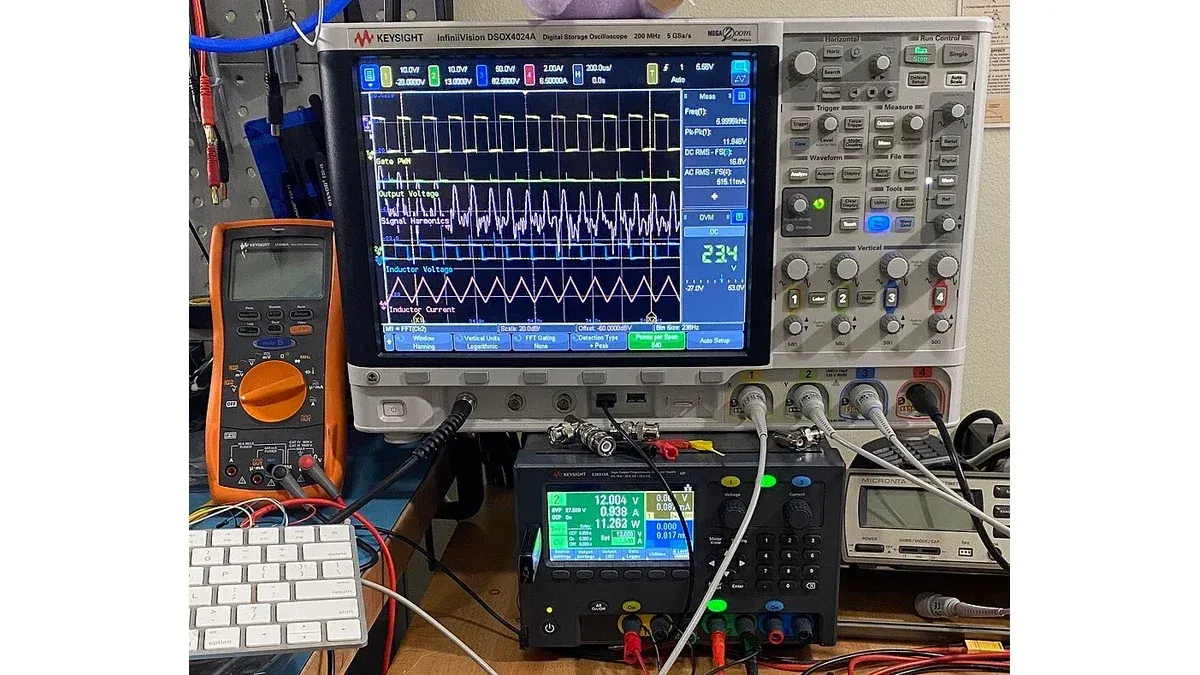
| Reproduction | Setup diagram, equipment settings, steps, logs, and waveforms |
| History | Receiving, assembly, storage, rework, cleaning, field exposure, and previous tests |
| Samples | Failed units, suitable controls, packaging, custody, and permission for destructive work |
The denominator matters. Three failures among 100 tested boards describe a different observation from three among 10,000. If only a selected subset was tested, disclose that selection; do not call it the whole shipment’s failure rate.
When available, include a known-good board of the same revision and a sample from the affected lot that has not undergone rework. Explain what each sample can help distinguish.
Sample preservation and custody
Avoid repeated power cycling, arbitrary overstress testing, cleaning, or component removal simply to produce more data. Each action can change the failure state. Coordinate the next test with the investigation owner and record the action’s purpose.
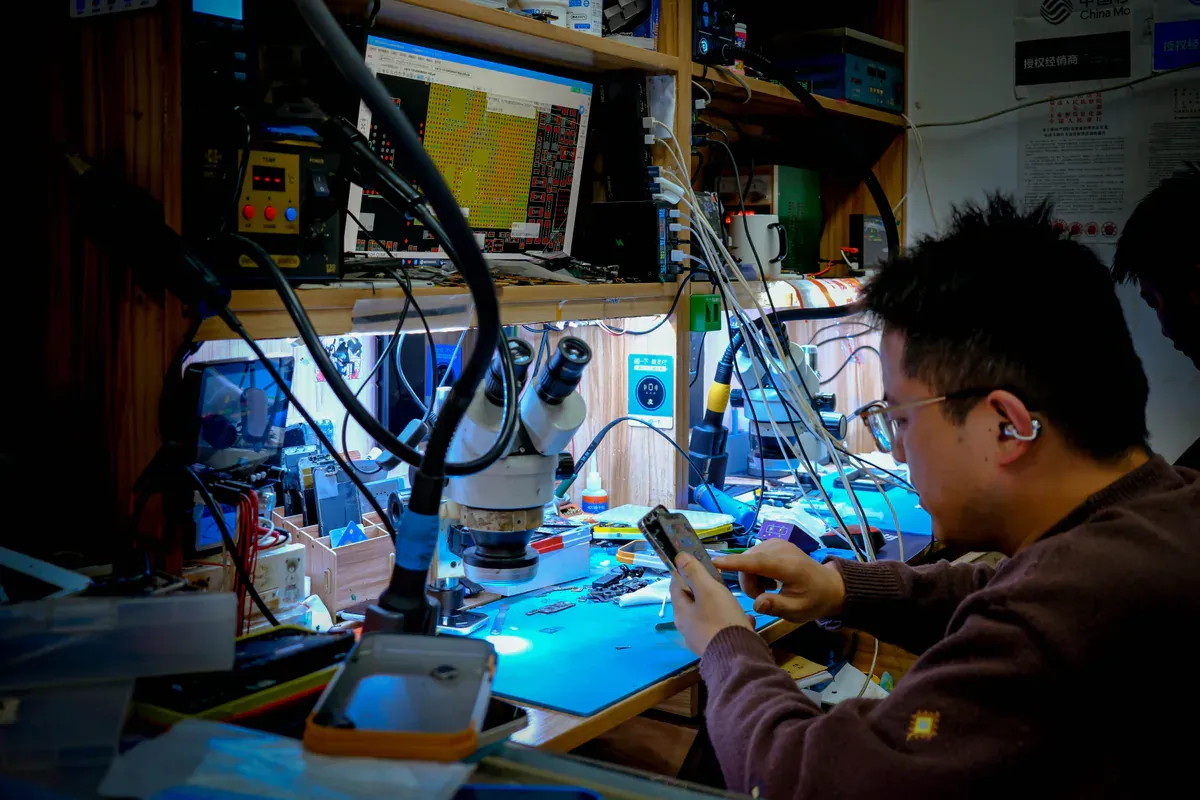
If removal is necessary, use an agreed method and retain orientation, board location, handling details, and photographs. Protect the sample against electrostatic discharge and mechanical damage during transport. Do not write directly on a failure site or discard the original labels.
A chain-of-custody record should name who held the sample, when it moved, and what work occurred. Link that record to the shipment and certificate reconciliation so a later result can be tied to the actual lot.
Manufacturer return eligibility
As checked September 15, 2026, TI’s customer-return policy directs authorized-distributor purchases through that distributor and states that TI does not support products purchased outside its authorized supply chain.
That is TI’s policy, not a universal rule for every manufacturer. Verify the applicable supplier’s return eligibility, required authorization, shipment instructions, and scope before committing to a customer.
For independently sourced material, define the seller’s remedy and any independent laboratory route in advance. A commercial warranty or refund process is not the same deliverable as an original manufacturer’s root-cause report.
Reading the laboratory conclusion
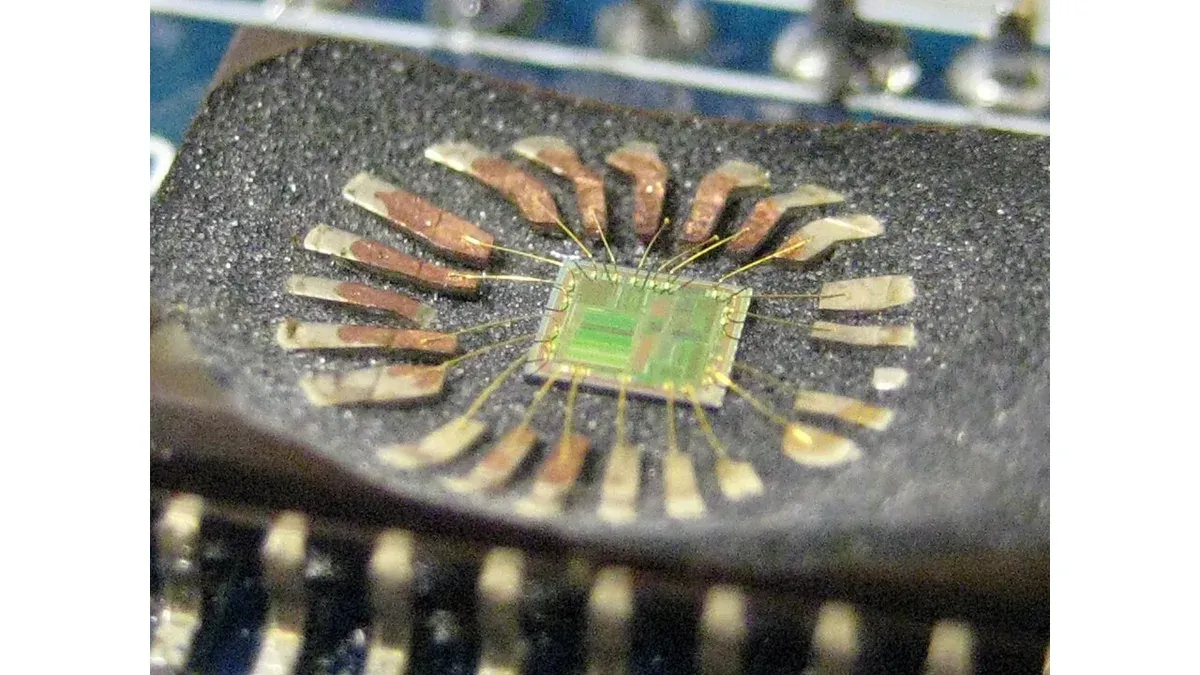
Distinguish a confirmed failure mode, an identified physical mechanism, and an established root cause. A damaged structure can be observed without proving when or where the damaging condition occurred.
If the report says no trouble identified, compare the performed conditions with the original reproduction sequence. Intermittent temperature, timing, or board-level interactions may remain outside the test coverage. Preserve the unresolved question instead of converting that result into a claim that the customer’s observation was impossible.
For industrial sourcing and support, close the case with the disposition of affected inventory, corrective actions, verification of those actions, and any remaining monitoring requirement. The counterfeit detection guide addresses a separate authenticity question; a functional failure alone does not establish counterfeit origin.
Frequently Asked Questions (FAQ)
Does a failed board prove the IC is defective?
No. Board assembly, firmware, power integrity, external overstress, and application conditions can produce similar symptoms. Preserve the observations and test conditions before assigning a cause.
Should the failed device be removed immediately?
Not always. Coordinate with the investigation owner first. Removal or rework can damage the sample, erase evidence, or prevent reproduction; an intact board may be more useful initially.
Does a no-fault-found result close the problem?
It means the reported failure was not demonstrated under the performed analysis. Review whether the test reproduced the original conditions and whether an intermittent or board-level mechanism remains unresolved.