
Table of Contents
- Identify Why the Inventory Is Excess
- Build a Lot-Level Inventory File
- Preserve Labels, Packaging, and Traceability
- Compare Return, Outright Sale, and Consignment
- Qualify the Excess Inventory Buyer
- Price the Commercial Lot, Not the Spreadsheet Quantity
- Control Sampling, Shipment, and Settlement
- Dispose of Inventory That Cannot Be Resold
Excess inventory is not a single category. One reel may be factory sealed, traceable, current, and in active demand. Another may carry the same part number but have an open moisture barrier bag, an uncertain exposure history, mixed date codes, or no acquisition record. Sending both to an excess inventory buyer under one spreadsheet line reduces the value of the good material and creates avoidable quality risk.
An OEM or electronics manufacturing services provider that wants to sell excess electronic components should prepare the inventory as if another quality organization will receive it. The goal is to turn physical stock into a verifiable commercial lot: correct identity, confirmed ownership, counted quantity, known condition, controlled packaging, and records that can follow the goods.
The ECIA guideline for disposition of excess inventory recognizes three broad routes—scrap, return, and resale—and warns that careless disposition can feed counterfeit activity. Choosing the route before preparing the data usually leaves value on the table.
Identify Why the Inventory Is Excess
Start with the event that created the surplus. A program cancellation, engineering change, forecast reduction, minimum-order overbuy, last-time buy, repair-program closure, or supplier return restriction creates a different disposition window.
A current part made surplus by a forecast change may have a broad buyer base. A customized, programmed, customer-marked, export-controlled, expired, or end-of-life part may have only one legitimate route. Material under an NCNR commitment may still be owned by the seller, but the original supplier is unlikely to accept a convenience return unless it grants an exception.
Separate inventory that is:
- eligible for return or stock rotation with the original supplier;
- current, standard, and potentially resalable;
- usable only by a limited program or approved customer set;
- damaged, expired, moisture-exposed, incomplete, or otherwise nonconforming;
- required to be destroyed under contract, brand, security, or regulatory controls.
Do not market material that your company does not clearly own or has committed to a customer. Check liens, consignment status, customer-furnished material rules, warranty-return restrictions, and program flow-downs before sending a list outside the organization.
Build a Lot-Level Inventory File

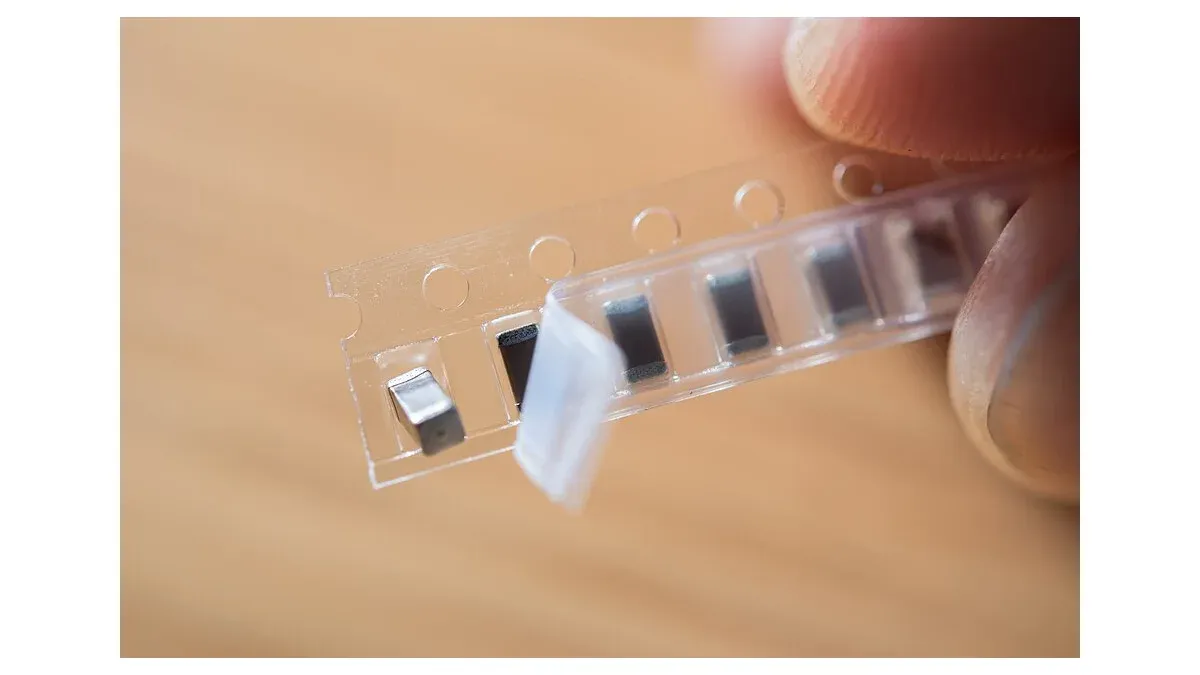
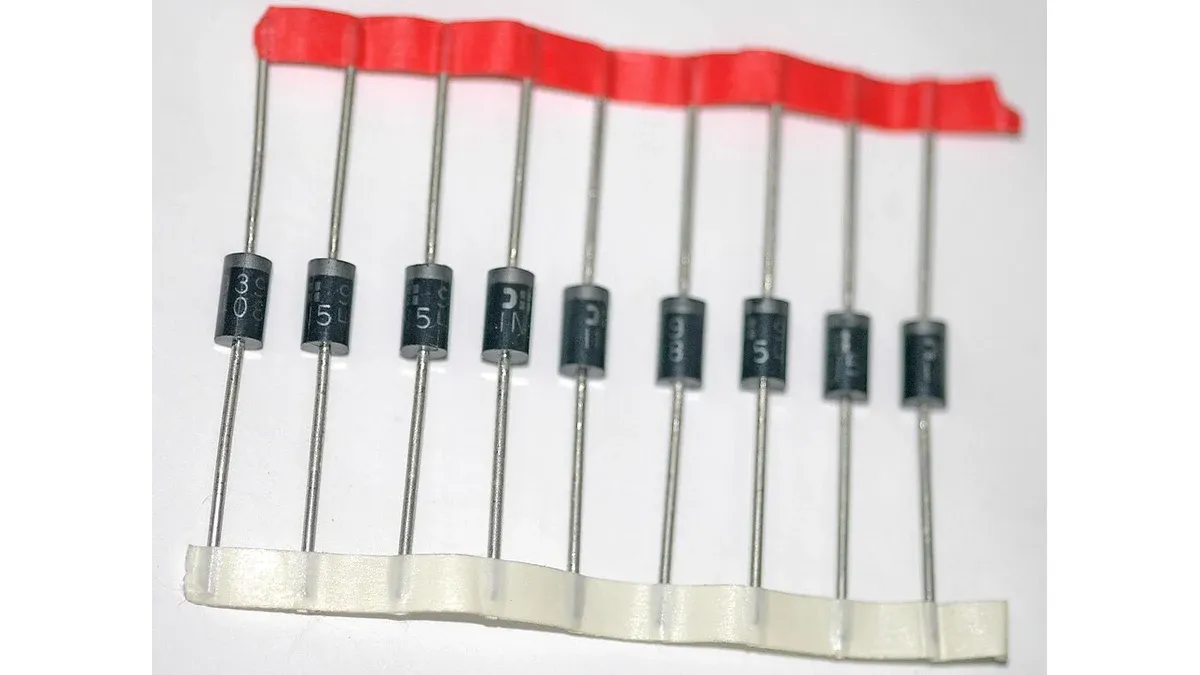
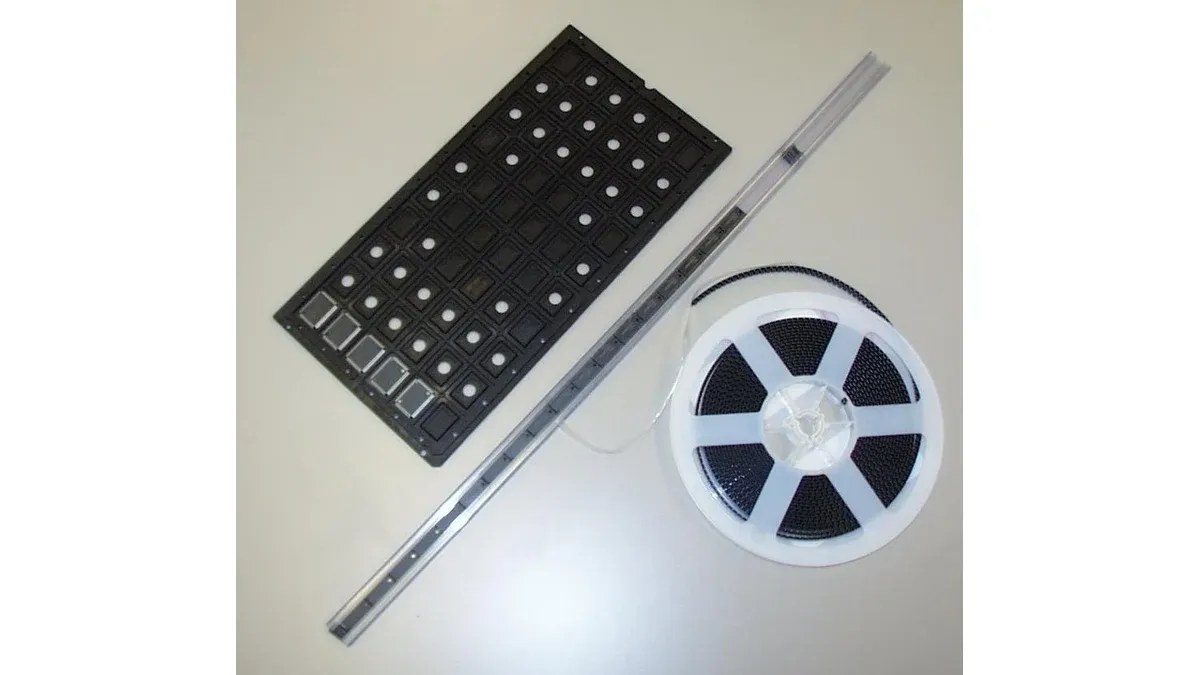
A resale list should contain one line per commercially distinct lot, not one line per base part number. A useful file includes the complete manufacturer part number, original component manufacturer, internal material number, total quantity, quantity by date/lot code, package and packing form, seal status, warehouse location, receipt date, and disposition approval.
Add fields that a buyer needs to assess both demand and risk:
| Field | Why it affects value |
|---|---|
| Full manufacturer part number | Confirms grade, package, finish, and other suffix-controlled features |
| Quantity by lot/date code | Shows whether a buyer can obtain a homogeneous production lot |
| Factory-seal status | Indicates whether original packing integrity may be preserved |
| Acquisition source | Establishes the starting point for traceability review |
| Storage and exposure history | Affects moisture, ESD, solderability, and reliability assessment |
| Photos and label images | Allow initial comparison before sampling |
| Lifecycle status | Changes demand, test needs, and disposition timing |
| Export or customer restrictions | Limits who may receive the inventory |
Use a controlled BOM risk file to reconcile excess against future demand before sale. A part can appear surplus in one business unit while another approved program is still buying it.
Preserve Labels, Packaging, and Traceability
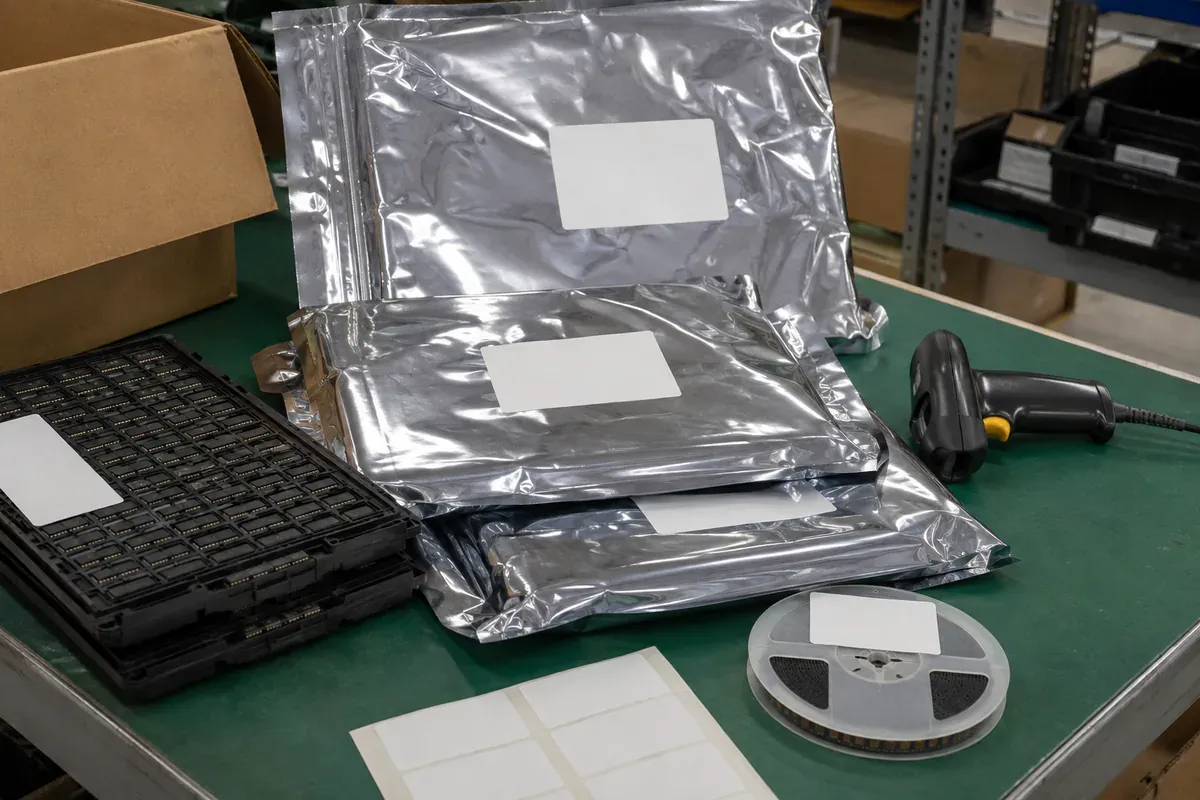
Original labels and acquisition records can be more valuable than a polished sales sheet. Preserve purchase orders, packing lists, receiving records, invoices, original manufacturer or distributor certificates, date and lot data, and any PCN or return history associated with the lot. Redact confidential pricing or customer data only after deciding what evidence the buyer needs.
Do not remove parts from reels or open moisture barrier bags just to create better photographs. Photograph the exterior label, seal, reel or tray identifiers, quantity indication, and any visible damage. If the buyer requests samples, define who selects them, how the remaining package will be resealed, and how sample identifiers map back to the parent lot.
ESD and moisture controls continue to matter while material is waiting for a buyer. ANSI/ESD S541-2026 defines packaging properties intended to protect electrostatic-discharge-sensitive items during production, transport, and storage. An ordinary zipper bag or cardboard bin does not become acceptable because the material is “surplus.”
For open moisture-sensitive devices, document exposure history rather than assuming rebaking restores original status. The receiving buyer may need its own date-code and traceability review and moisture-control decision.
Compare Return, Outright Sale, and Consignment

Ask the original authorized supplier about return, stock rotation, or manufacturer-approved disposition before opening the inventory to the market. A return may yield less headline value but preserve the clearest chain of custody and fastest administrative close.
An outright sale transfers ownership for an agreed lot and price. It can produce faster recovery, but the agreement should define inspection, title transfer, payment timing, freight, rejected material, confidentiality, and the buyer’s right to resell.
Consignment leaves the seller economically exposed for longer. It may work for inventory with recurring demand, but the contract needs controls for custody, storage, permitted sales channels, minimum pricing, reporting cadence, commissions, sample consumption, returns, loss, insurance, and the treatment of unsold goods.
| Route | Main advantage | Main control point |
|---|---|---|
| Original-supplier return | Strongest channel continuity | Eligibility, RMA, fees, timing |
| Outright sale | Defined transfer and faster cash | Buyer diligence and acceptance terms |
| Consignment | Potentially higher recovery over time | Possession, reporting, price, unsold stock |
| Certified destruction | Removes unusable or restricted stock | Chain of custody and destruction certificate |
Do not send the same serially identified or lot-specific inventory to several brokers under terms that could create conflicting commitments.
Qualify the Excess Inventory Buyer
A strong offer is not only a price. Confirm the legal entity, operating address, quality scope, years and markets served, payment capability, inspection process, customer base restrictions, and how the company handles suspect or rejected material. Ask whether it is purchasing for its own account, brokering the lot, or placing it on consignment.
The buyer should explain where the goods will go, what information will accompany resale, and whether the original owner’s name will appear in the chain of custody. If the material carries military, automotive, medical, customer-specific, or export restrictions, legal and compliance teams should approve the permitted destinations and representations.
For inventory that may re-enter an authorized channel through a return, ECIA’s discussion of AS6496 highlights inventory segregation and verification of customer returns. An OEM selling independently held surplus should not represent that material as authorized-channel stock merely because it was originally purchased from an authorized source. Describe the actual chain and provide the records available.
Price the Commercial Lot, Not the Spreadsheet Quantity
Excess inventory value is driven by verified demand and the cost of making the lot saleable. Active lifecycle status, exact suffix demand, homogeneous date codes, original seals, documented provenance, and standard packaging usually improve marketability. Mixed lots, incomplete quantities, uncertain storage, customer markings, programming, or limited test access reduce it.
Request offers on a clearly defined lot and ask each buyer to state:
- quantity accepted and whether partial purchase is allowed;
- unit and extended price;
- freight, insurance, duty, and inspection responsibility;
- sample quantity and whether samples are destructive;
- payment timing and conditions;
- acceptance period and return rights;
- ownership transfer point;
- handling of material that fails inspection.
A high conditional quote may be worth less than a lower firm purchase if the conditional quote permits broad deductions after possession. Compare net recovery after commissions, freight, testing, repackaging, handling, and expected rejection.
Control Sampling, Shipment, and Settlement
Create a release record for every lot. It should identify the approved buyer, contract, exact quantity, package identifiers, photos, samples removed, carrier, tracking, insurance, and the employee who released the material. Use a qualified semiconductor logistics process for high-value or sensitive shipments.
Before shipment, count boxes and packages against the sales document. Record seals and label condition. Pack to preserve ESD and moisture protection, and avoid combining lots unless the agreement explicitly allows it. If the buyer will inspect after receipt, set a fixed inspection period and require objective evidence for any rejection.
Payment structure should match risk. New counterparties may justify prepayment, escrow, or staged settlement after a defined inspection. Consignment requires periodic inventory reconciliation and a right to audit or retrieve stock. Keep sales, warehouse, finance, quality, and compliance records tied to the same lot identifier.
Dispose of Inventory That Cannot Be Resold
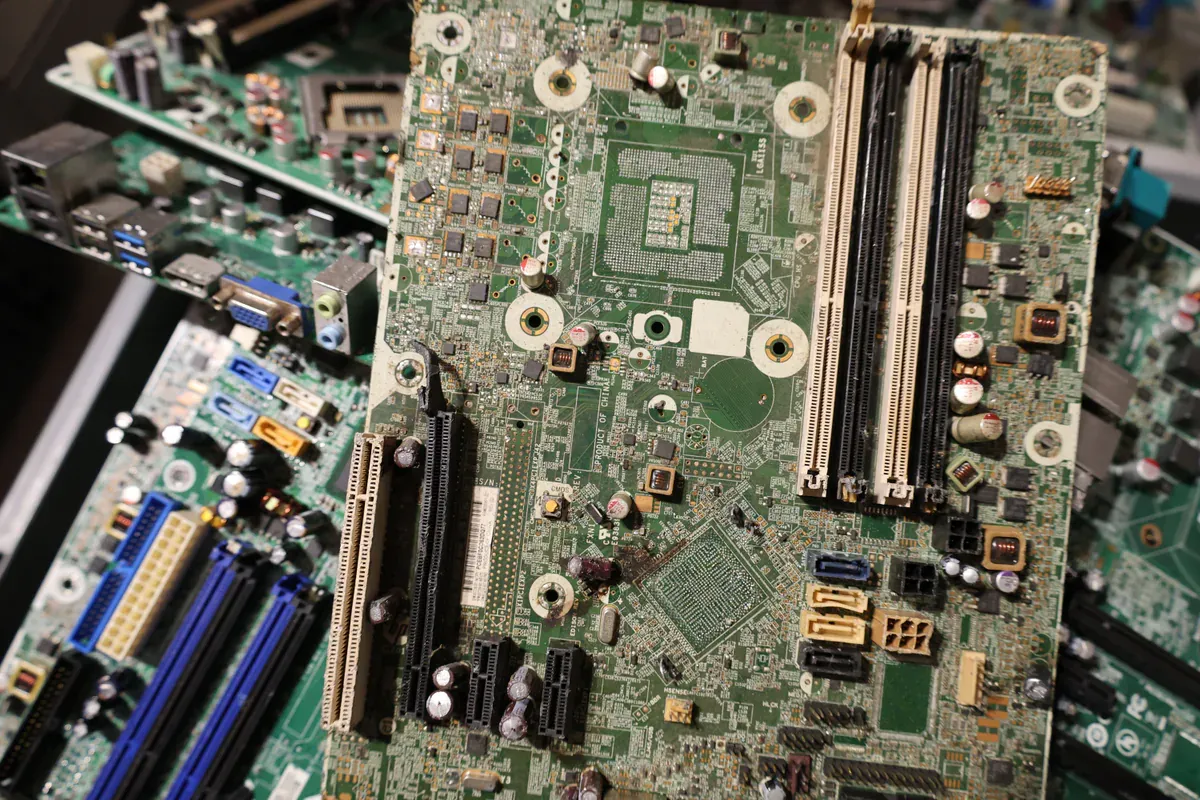
Material should move to destruction when it is unsafe, damaged beyond economic recovery, contractually restricted, falsely marked, expired without a viable requalification route, or too poorly documented to enter a responsible supply chain. The decision should be recorded, not made by quietly downgrading the description.
Use an approved recycler or destruction provider, maintain chain of custody, and obtain a certificate that identifies the material and quantity. Control labels, reels, trays, and branded packaging as well as the components; ECIA’s excess-inventory guideline specifically notes that discarded parts and packages can be misused to create counterfeit goods.
A disciplined disposition process protects both recovery value and the market. It also leaves a data trail that can improve future MOQ decisions, forecast controls, and BOM planning so the same type of excess is less likely to recur.
Frequently Asked Questions (FAQ)
What information is needed to sell excess electronic components?
Prepare the full manufacturer part number, manufacturer, quantity, date and lot codes, package type, factory-seal status, storage history, photos, acquisition records, and proof that your company owns the inventory. Buyers also need to know whether lots may be split and whether samples are available.
Are sealed electronic components worth more than open packages?
They often have stronger resale potential because original seals, labels, and packaging reduce uncertainty, but value still depends on demand, lifecycle status, traceability, age, handling, and the buyer's inspection requirements. A sealed package does not replace ownership and acquisition records.
Should an OEM use consignment or sell excess inventory outright?
An outright sale provides a defined transfer and faster cash recovery, while consignment may preserve upside but takes longer and requires controls for possession, pricing, reporting, returns, and unsold material. The right choice depends on demand visibility and the seller's administrative capacity.
What should happen to electronic components that cannot be resold?
Use an approved recycling or destruction process appropriate to the material and retain chain-of-custody and destruction records. Remove or control labels and packaging that could be misused, while following applicable environmental, contractual, and data-security requirements.