

Table of Contents
- A Prototype BOM Is Not a Production BOM
- Replace Development-Board Names With Orderable Components
- Lock Radio, Security, Memory, and Power Together
- Decide Module Versus Discrete RF Before Scale-Up
- Build the Production AVL and Alternative Hierarchy
- Capture Firmware, Provisioning, and Cybersecurity Evidence
- Qualify Suppliers and Pilot Lots Before Volume
- Release a Procurement-Ready IoT BOM
IoT component sourcing changes when a prototype becomes a product. The development board, easy-to-buy module, sample reel, and generic passives that proved the concept may not provide a complete orderable identity, production lifecycle, cybersecurity support, certifications, programming flow, or scalable supply.
The release task is to convert design intent into a controlled production BOM and approved vendor list. Lock the radio, processor, security, memory, power, firmware, provisioning, and compliance dependencies together; then qualify the source and pilot lot before volume. Do not let purchasing discover those connections after the first production order.
A Prototype BOM Is Not a Production BOM
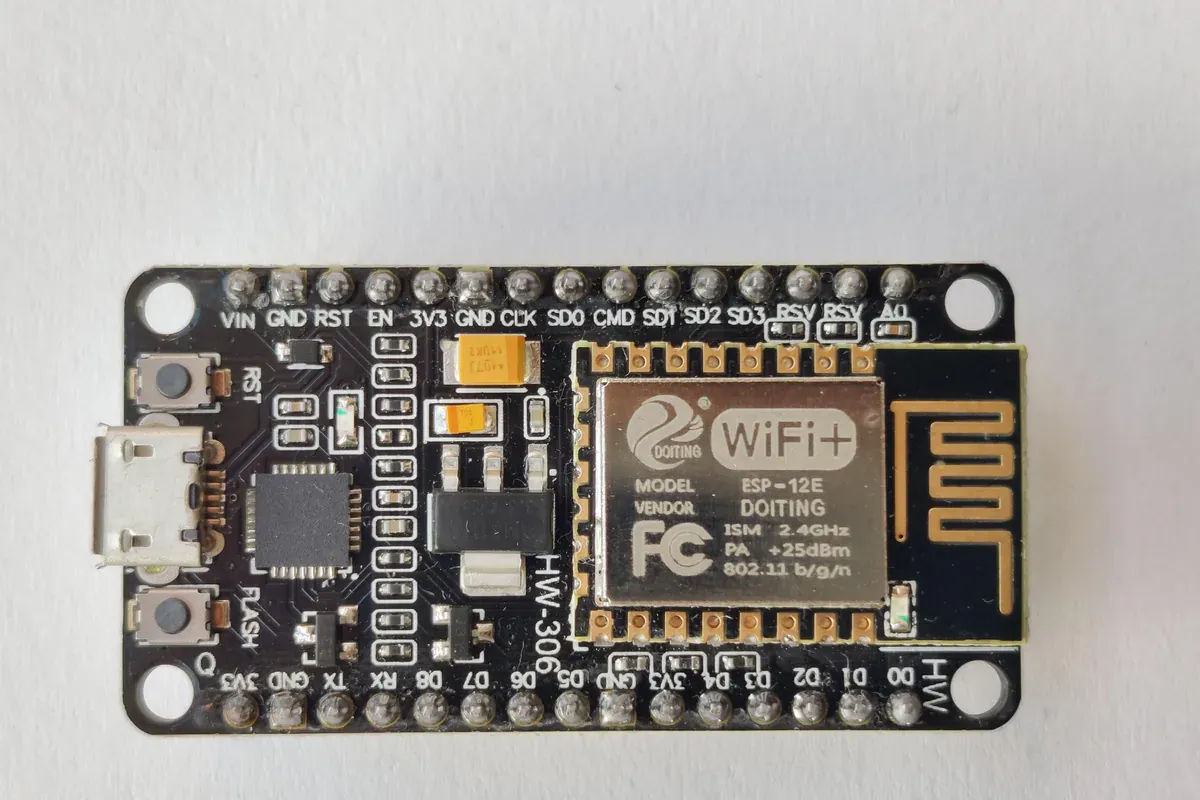
Prototype records often contain a board name, functional description, distributor link, or partial MPN. That may be enough for an engineer to order one unit today. It is not enough for a contract manufacturer to buy the same configuration over several production releases.
Production needs the original manufacturer, complete orderable part number, package, temperature and qualification grade, packing, programming state, approved source, lifecycle, target quantities, dates, and change rules. It also needs the relationship between hardware and software: SDK, bootloader, wireless stack, secure keys, calibration, driver, and cloud onboarding.
Start with a controlled BOM upload and give every line a stable identifier. Separate distributor SKUs from manufacturer part numbers. Record which lines are exact-only, which have released AVL alternatives, and which permit a supplier to propose a candidate for engineering review.
Replace Development-Board Names With Orderable Components
A development board combines many purchasable items plus board-level design choices. Its marketing name does not specify the MCU order code, memory density and revision, oscillator, regulator, radio front end, antenna, security device, connector, or programming state on the production PCB.
For every board or module used in the prototype:
- identify the production component or module and complete order code;
- capture schematic, layout, RF, power, and firmware dependencies;
- confirm whether the prototype feature relies on board-level circuitry not present in the IC;
- record toolchain, SDK, license, and support requirements;
- check lifecycle and notification channels with the original manufacturer;
- define the production programming and provisioning owner.
Do not assume the component mounted on a development kit is the only or recommended production option. Confirm the bill of materials and manufacturer documentation for the exact board revision.
Lock Radio, Security, Memory, and Power Together
An IoT device is a coupled system. Changing the MCU may alter firmware, memory, peripherals, sleep states, boot, and security. Changing the radio can alter antenna matching, coexistence, regulatory testing, protocol certification, network approval, and cloud identity. Changing the power IC can alter battery life, brownout behavior, RF peak-current margin, thermals, and charging safety.
Build a dependency record for these groups:
| BOM group | Production dependencies to freeze |
|---|---|
| MCU/MPU | Architecture, memory, peripherals, tools, firmware, boot, package |
| Wireless | Bands, protocol version, RF layout, antenna, certification, firmware |
| Security | Identity, key injection, provisioning owner, update and lifecycle support |
| Memory | Density, interface, timing, endurance, image size, revision behavior |
| Power | Input range, battery profile, peak load, sequencing, sleep current, thermal path |
| Timing/sensing | Accuracy, calibration, drift, interrupt and driver behavior |
The secure-element selection guide explains why a device identity decision includes provisioning and operational ownership, not only cryptographic features.
Decide Module Versus Discrete RF Before Scale-Up
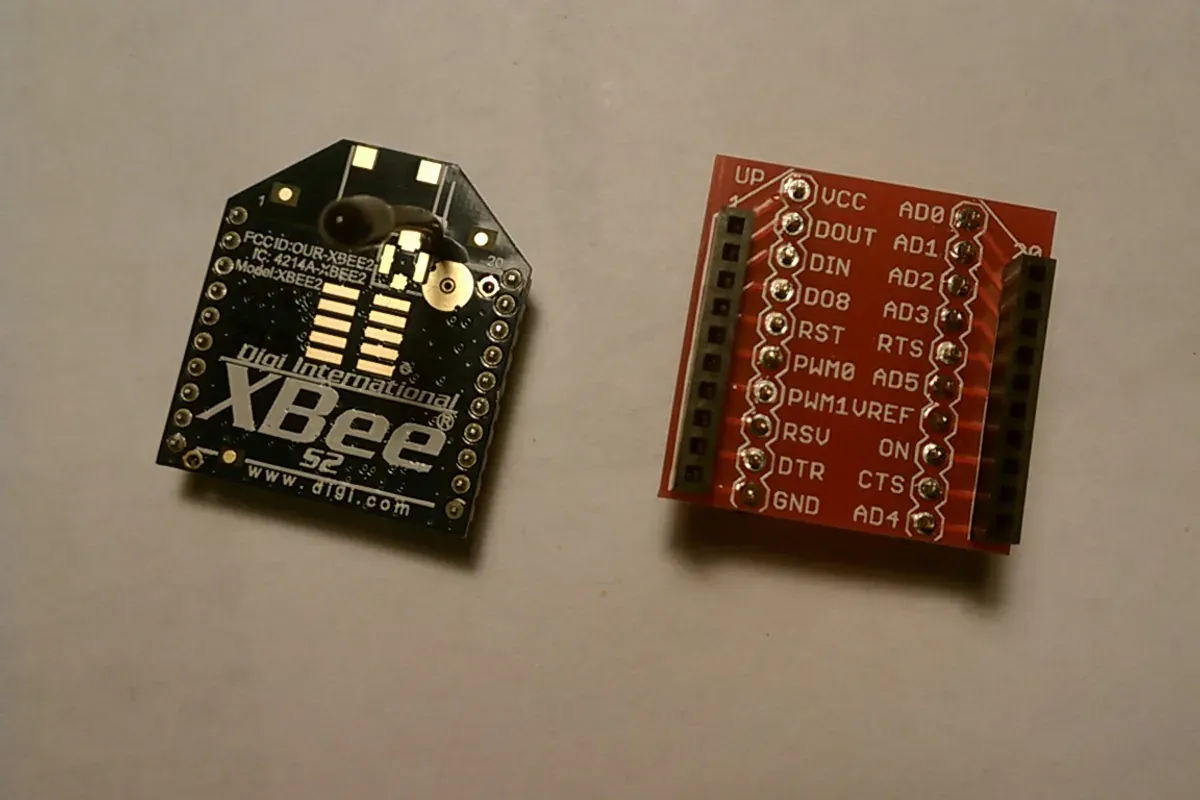
A certified wireless module can reduce RF development and test effort, provide an integrated protocol stack, and simplify early manufacturing. It can also concentrate the BOM into one higher-cost, supplier-specific item with its own firmware, antenna restrictions, certification conditions, and lifecycle.
A discrete RF design can improve form factor, component control, and high-volume economics, but it requires RF layout, matching, antenna, test, calibration, regulatory certification, software, manufacturing, and supply expertise. The comparison should include engineering and certification schedule, not only module price versus chip price.
Ask whether the chosen module certification applies to the final antenna, enclosure, region, radio settings, and host implementation. Record module hardware and firmware revision. If the supplier changes an internal radio, flash, crystal, or power device under its module part number, define how the change will be notified and assessed.
The RF front-end and connectivity sourcing guide covers technology-specific choices. Keep this production decision anchored to the product’s certified configuration and volume plan.
Build the Production AVL and Alternative Hierarchy

An AVL should show what is approved, for which assembly revision, at which site, and under which conditions. Do not list several distributor names as if they were several technical sources. Separate the original manufacturer and order code from approved purchasing channels.
Use an alternative hierarchy:
- same exact orderable part through another approved channel;
- another packing option that does not change the production item;
- released same-manufacturer or cross-manufacturer AVL part;
- candidate that requires targeted validation;
- redesign candidate that changes firmware, layout, certification, or product behavior.
For every released alternate, retain comparison data, samples, validation results, affected software, regulatory assessment, and approval. The component alternatives solution can support discovery, but it does not replace product engineering approval.
For broader IoT semiconductor sourcing across connected products, use the IoT and connected-device sourcing solution. Keep the production AVL narrower: it should resolve the exact devices, modules, firmware dependencies, approved alternatives, and evidence required for this product and build stage.
Capture Firmware, Provisioning, and Cybersecurity Evidence
Component procurement should record the support commitments that make an IoT device maintainable: signed update capability, vulnerability contact, support period, software/firmware release access, security advisories, device identity, configuration, data protection, interface controls, and security-state awareness as applicable to the product.
NISTIR 8259A defines a core baseline of device cybersecurity capabilities, and the updated NISTIR 8259 series connects manufacturer activities with lifecycle support. Use these as requirement-setting references, then tailor them to the product and market.
For products with digital elements placed on the EU market, the European Commission states that CRA reporting obligations apply from September 11, 2026. The site’s CRA component-supplier evidence checklist addresses that workflow. Procurement should know which supplier records and contacts can support the manufacturer’s obligations; buying a “secure chip” does not transfer product responsibility.
Qualify Suppliers and Pilot Lots Before Volume
Qualify the legal supplier, authorized status or disclosed source route, quality scope, facilities, records, financial identity, change controls, inspection, nonconformance, and continuity. Then qualify the exact pilot lot separately.
For the pilot, verify labels, packaging, date/lot codes, quantity, moisture and ESDD condition, traceability, programming, firmware or module revision, regulatory identifiers, and required declarations. Run production programming, functional test, RF test, current consumption, sleep/wake, provisioning, update, and end-of-line records on the intended manufacturing equipment.
Do not use a successful engineering sample as evidence that the production packing, firmware revision, or programming flow is equivalent. Link the released lot to the test record.
Release a Procurement-Ready IoT BOM
Before volume release, confirm:
- every line has a complete identity, unit, quantity model, and approved source scope;
- hardware, firmware, module revision, programming, and provisioning are linked;
- radio and product certification conditions are documented;
- lifecycle, PCN/EOL contacts, and support periods are visible;
- alternates have a class and validation record;
- packing, MSL, ESD, traceability, and declarations are specified;
- forecast, MOQ/MPQ, NCNR, buffer, and excess ownership are approved;
- pilot-lot and manufacturing evidence is retained.
The IoT MCU market guide can inform family availability, but the production AVL must resolve to exact approved order codes. A prototype proves that a concept can work. A released BOM proves that defined hardware can be bought, built, supported, and changed under control.
Frequently Asked Questions (FAQ)
Why is an IoT prototype BOM not ready for production?
Prototype BOMs often name development boards, modules, distributor SKUs, generic values, or convenient substitutions without locking complete order codes, lifecycle, programming, certifications, security support, packaging, approved manufacturers, and volume supply terms.
What should an IoT production AVL include?
For each line, record the customer part, original manufacturer, complete orderable part number, approved source scope, package, grade, firmware or programming dependency, required certifications and declarations, lifecycle status, approved alternates, change controls, and qualification evidence.
Should an IoT product use a radio module or a discrete RF design?
A module can reduce RF design and certification work but may add cost, size, supplier, firmware, and lifecycle dependencies. A discrete design can offer control and scale economics but requires RF engineering, regulatory testing, manufacturing control, and a longer qualification path. Evaluate the full product program.
Can a different microcontroller replace the prototype MCU for production?
Only after the design owner validates architecture, memory, peripherals, timing, power, package, tools, firmware, boot and security behavior, programming, qualification, and supply. A similar feature list does not make a production replacement.