
Table of Contents
A reservation for memory capacity can coexist with an uncovered production schedule. The missing link may be an exact ordering code, an approved device revision, or a shipment window that arrives after the assembly line needs the parts.
As of October 10, 2026, public signals justify earlier planning for 2027 DRAM supply. The immediate task is to reconcile each commitment with the bill of materials and the week production needs it. A reservation with no conversion or shipment terms belongs in a different column from an accepted order.
What does a DRAM allocation commitment actually reserve?
It reserves only the capacity, products or commercial rights specified in the agreement. A forecast acknowledgment, a capacity reservation and an accepted purchase order can carry different obligations; none should be entered as an equivalent confirmed receipt without checking its terms.
Micron’s September 30 fiscal 2026 results reported record performance, described expectations for a stronger fiscal 2027 and referred to Strategic Customer Agreements. That is a dated manufacturer signal about its business, not disclosure of allocation available to a smaller OEM.
Separately, the SIA’s October 5 global sales release reported strong industry revenue through August. Its monthly sales figures use three-month moving averages. Aggregate semiconductor revenue cannot establish a DRAM supply shortage for every density or package, and it cannot substitute for a dated supplier acknowledgment.
An allocation record should distinguish these layers:
| Record | What procurement can track | What remains unproven |
|---|---|---|
| Rolling demand forecast | Expected usage by product and period | Supplier acceptance or capacity reservation |
| Capacity commitment | Defined reserved quantity or capacity basis | Exact qualified devices and delivery dates, unless included |
| Accepted order line | Ordering code, quantity and acknowledged schedule | Actual shipment and incoming acceptance |
| Released receipt | Accepted quantity available to the scheduled build | Coverage of later demand or another product configuration |
Keep the original acknowledgment and every revision. A supplier moving a promise date should remain visible in the delivery scorecard’s date basis, rather than silently resetting the comparison.
How should a 2027 memory agreement handle qualification and changes?
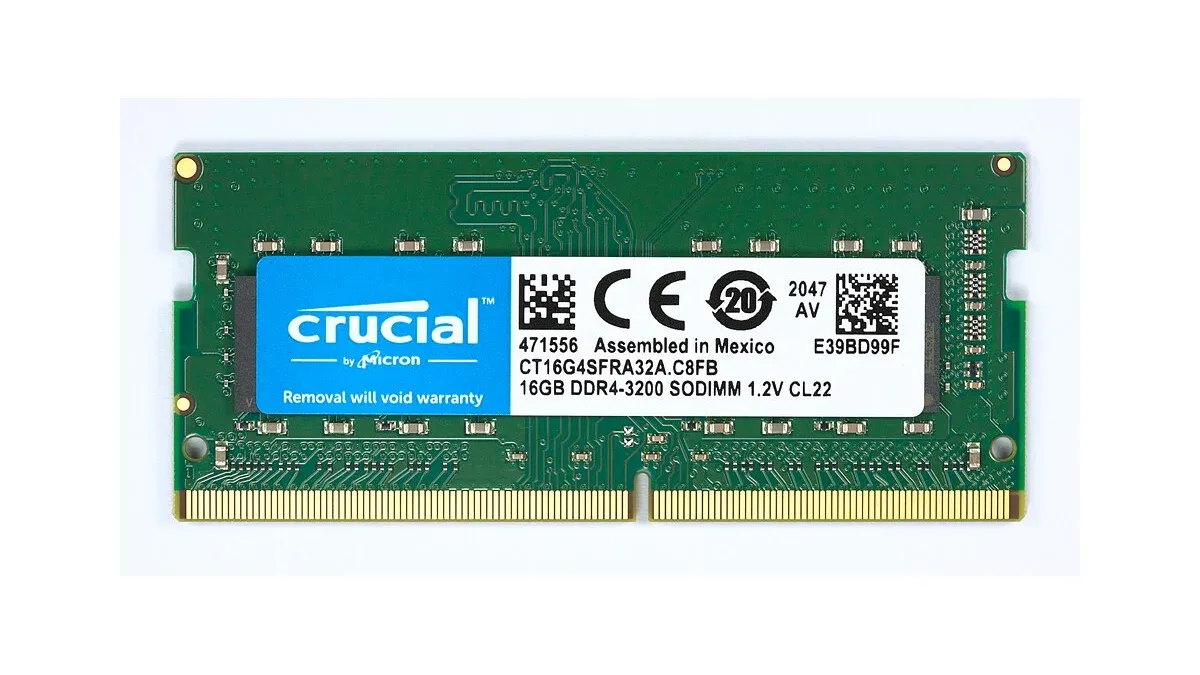
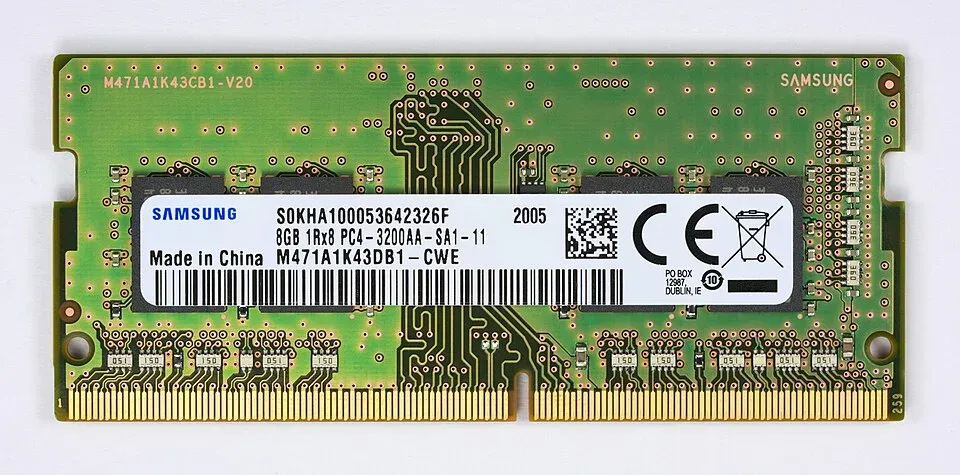
Connect the reserved quantity to a named approved configuration and an explicit change process. Record the DRAM generation, density, organization, speed bin, package, temperature grade and allowed revisions, together with the platform and firmware on which approval depends.
A commitment expressed in bits or equivalent wafers requires a conversion basis before it becomes a count of usable parts. A promise covering a product family also needs a rule for choosing members of that family. Procurement cannot assume that a higher-density option will work because total memory capacity appears equivalent.
For each line, add a qualification deadline and its consequence. If engineering has not approved the planned device by that date, identify whether the order can move to an already-qualified option, shift to a later delivery window, or remain subject to an unresolved commercial obligation. Those are negotiation questions, not standardized rights attached to an allocation agreement.
Include change notification, sample access, traceability expectations and the treatment of assembly or test-site changes. Record who owns the decision when a supplier offers a different revision. An alternative should follow a documented component replacement evaluation, even when the commercial account team considers it equivalent.
Three supply scenarios for 2027
A tighter market matters most when it coincides with an uncovered build. Work out that exposure before negotiating more reserved volume.
Consider a hypothetical build requiring 10,000 approved devices. The buyer has 5,000 usable units and an accepted receipt of 3,000 due before the build. Planned coverage is 8,000 units, leaving a 2,000-unit gap. Another 1,000 units on quality hold and a reservation for 2,000 without a delivery date do not close it. The accepted receipt remains a delivery dependency until it arrives and passes incoming acceptance.
Calculate this by build week. A shipment due in week four cannot cover a week-two assembly shortage, even if the month’s total receipts match demand. If the supplier postpones the 3,000-unit receipt beyond the build, the uncovered quantity becomes 5,000; that change warrants immediate schedule reconciliation.
Three conditions lead to different commitments:
- Rising releases and slipping deliveries: negotiate coverage for the dated gap in qualified parts, with a named allocation and shipment window. Bring forward an alternate’s approval if it can finish before that gap.
- Stable releases and dependable replenishment: keep the scheduled receipts; a stronger industry headline alone does not create another requirement.
- Delayed customer programs: review rescheduling and cancellation terms before adding volume. Reconcile stock and open orders across buyers so the same build is not covered twice.
The quantity to discuss with the supplier is the exposed build requirement, adjusted for delivery and qualification risk. That is more useful in a negotiation than an unsupported percentage increase applied to the entire memory forecast.
Frequently Asked Questions (FAQ)
Should a buyer treat an allocation fee as payment for delivered memory?
No. Record what the fee buys, how it is credited or refunded, and which delivery obligations remain separate. Commercial and legal teams should review the actual agreement rather than infer these terms from the word allocation.
Can unused DDR4 reservations automatically cover DDR5 demand?
Only if the supplier agreement explicitly allows that substitution and the replacement device is qualified. Generations, package configurations, timing requirements and customer approvals can prevent capacity from being transferable.
How often should a 2027 memory commitment be reviewed?
Tie reviews to the planning cycle, supplier acknowledgment changes and engineering milestones. An unexpected schedule change or failed qualification warrants an immediate review rather than waiting for the next quarterly market update.