Table of Contents
An inventory system can report enough components while the factory still lacks usable material. A partial reel may have been returned without its consumed quantity recorded, a tray may be in quarantine, or supplier-owned stock may have been combined with owned stock.
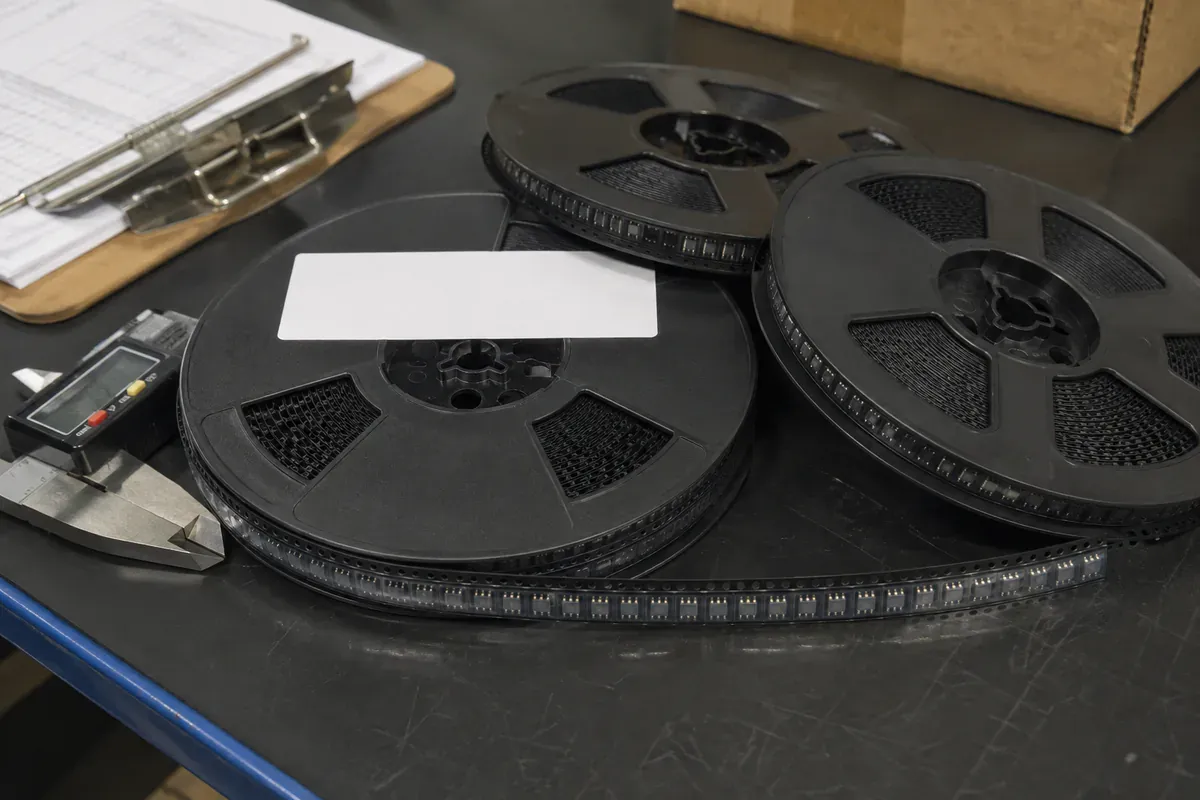
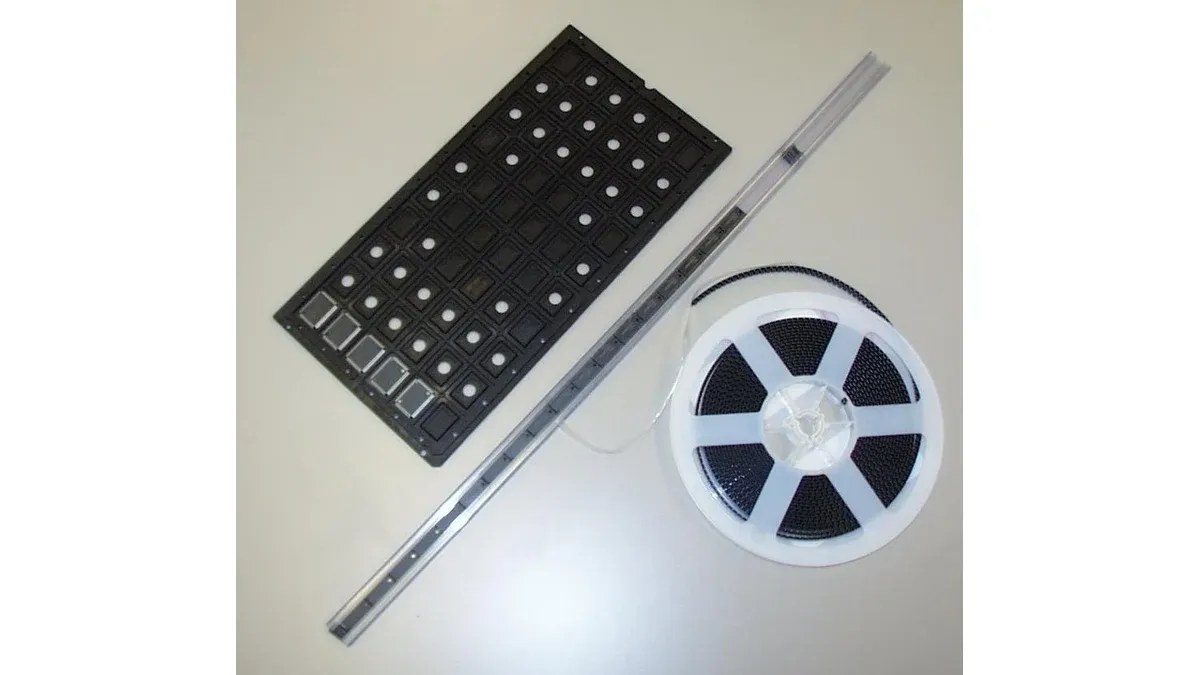
Cycle counting should establish what is physically present and reconcile that evidence with the recorded identity and status. For electronic components, the count unit is often a particular reel, tray, tube or container within a lot—not merely a manufacturer part number.
What should one component inventory record identify?
It should identify the full part number, physical container, lot or date code, owner, location, quantity and disposition. Where moisture or handling controls apply, retain the associated package and exposure records as well.
Two reels with the same part number may have different owners, assembly eligibility or quality status. Summing them is useful for some planning views, but only after those differences remain visible underneath.
Oracle’s guidance on cycle counts and consigned inventory explicitly separates supplier-owned and organization-owned quantities. Its transaction details are system-specific, but the underlying control issue applies to a component store: a physical count must preserve ownership.
How do you reconcile a partial reel with the inventory record?
Compare the counted physical quantity with the expected balance at a defined transaction cut-off. Reconcile issues, returns, scrap and transfers against that same container before posting an unexplained adjustment.
Consider a hypothetical reel received with 5,000 pieces. A job issues 1,200, returns 180, and separately records 20 pieces of scrap that were not included in the net issue. The expected balance is:
5,000 − 1,200 + 180 − 20 = 3,960 pieces
If the physical count is 3,945, investigate a 15-piece shortage. First check the definitions: if the 20 scrapped pieces were already included in the job’s consumption transaction, subtracting them again would create an artificial variance.
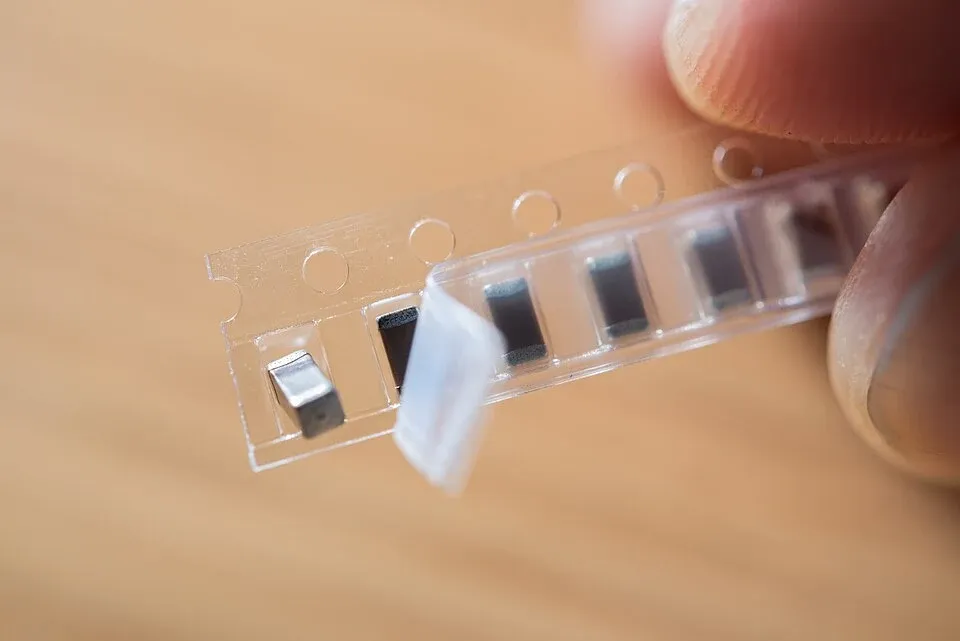
A counter also needs the correct pocket pitch and treatment of empty pockets or leaders. A tape length is not automatically a count of populated positions. Confirm the counting method against a known sample and record any uncertainty or adjustment rule appropriate to the equipment.
Freeze transactions at the count boundary
The store does not necessarily need to stop all activity, but it needs a controlled boundary. Identify which movements occurred before the count and which occurred after it. Record pending receipts and feeder returns that have not yet reached the system.
One workable sequence is to assign a count reference to the container, capture the system balance and transaction time, count the material, and then reconcile intervening movements. Avoid moving a reel between locations during the count without recording the transfer.
A blind count can reduce the temptation to reproduce the expected number. A recount threshold should follow the value and operational importance of the material, not an unexplained percentage applied to every part.
Which variances need an identity investigation?
A variance needs an identity investigation when the quantity cannot be reconciled or the label, location, lot, owner or disposition differs from the record. A matching total does not resolve a swapped label.
| Observation | Investigation focus | Action before adjustment |
|---|---|---|
| Correct total, wrong lot | Label or container swap | Reconcile identity and affected jobs |
| Short reel after production | Unposted consumption, scrap or return | Check the job transactions |
| Unexpected extra tray | Duplicate receipt or transfer | Verify ownership and origin |
| Material present on hold | Status mismatch | Preserve the quality hold |
| Missing sealed package | Location and custody | Trace movements and access records |
Keep moisture-sensitive handling separate from the urge to get a count. Opening packaging can create a new exposure event. Use an appropriate counting method and record any packaging action under the applicable handling procedure.
How should count results change replenishment decisions?
Use the reconciled quantity and its availability status to update planning, then address the process causing repeated errors. Buying more material before understanding a recurring variance can hide the problem and create excess.
The reorder-point calculation depends on a usable inventory position. Counts improve that input; they do not determine future demand by themselves.
Track recurring causes by location and transaction type. A feeder-return error may call for a better return record, while repeated owner confusion may require separate storage identifiers. The purpose of a cycle count is to restore trustworthy records and prevent the same discrepancy from returning next week.
Frequently Asked Questions (FAQ)
Should an unopened factory reel always be treated as its label quantity?
An intact label is useful evidence, but the counting policy should define when it is sufficient and when an independent check is required. Broken seals, prior use or inconsistent records change that decision.
Can two date codes be merged into one inventory line?
An aggregate planning view may combine quantities, but the underlying lot and date-code identities should remain recoverable. Physical merging must follow the approved traceability and handling rules.
Does a count adjustment make quarantined stock available for production?
No. Quantity correction and quality release are separate actions. A hold requires its own documented disposition before the stock becomes usable.