Table of Contents
LPDDR6 can create a new platform opportunity while creating no immediate replacement option for a board already designed around LPDDR5X. That difference determines whether procurement should start a qualification program or simply continue sourcing the existing memory.
As of October 11, 2026, there are concrete standards and supplier-development milestones to evaluate. The next step is to connect those milestones to an application processor, package configuration and production schedule; a generational name is not enough to issue a replacement approval.
Can LPDDR6 replace LPDDR5X on an existing board?
Do not assume a direct replacement. A supported migration needs the exact host memory controller, physical interface, package connections, power architecture and initialization software to work together.
JEDEC published JESD209-6 on July 9, 2025. The LPDDR6 standard introduces changes including two subchannels per die and revised power-management features. These are system-interface changes, not merely a higher speed bin on an otherwise identical purchasing line.
Start the LPDDR6 versus LPDDR5X comparison with the exact processor variant and its supported-memory documentation. If controller support is unresolved, keep the device in a feasibility study rather than the production replacement list.
Then resolve the physical implementation: discrete memory beside the processor or a supported package-on-package arrangement, ball assignments, stack height, supply rails and routing requirements. A package drawing must match that implementation. Equal outline dimensions say little about whether an existing board can initialize or power the new device.
For an existing product, a qualified LPDDR5X source may remain the appropriate replenishment choice while a later board revision adopts LPDDR6. Maintain separate approved-part records for the two projects. Pooling their demand under “mobile DRAM” can hide a shortage on the currently shipping design.
Which evidence separates a memory announcement from a purchasable platform?
A usable production source requires an orderable configuration, a supported host implementation and an accepted supply schedule. A standard publication or a development announcement establishes an earlier milestone, with different evidence.
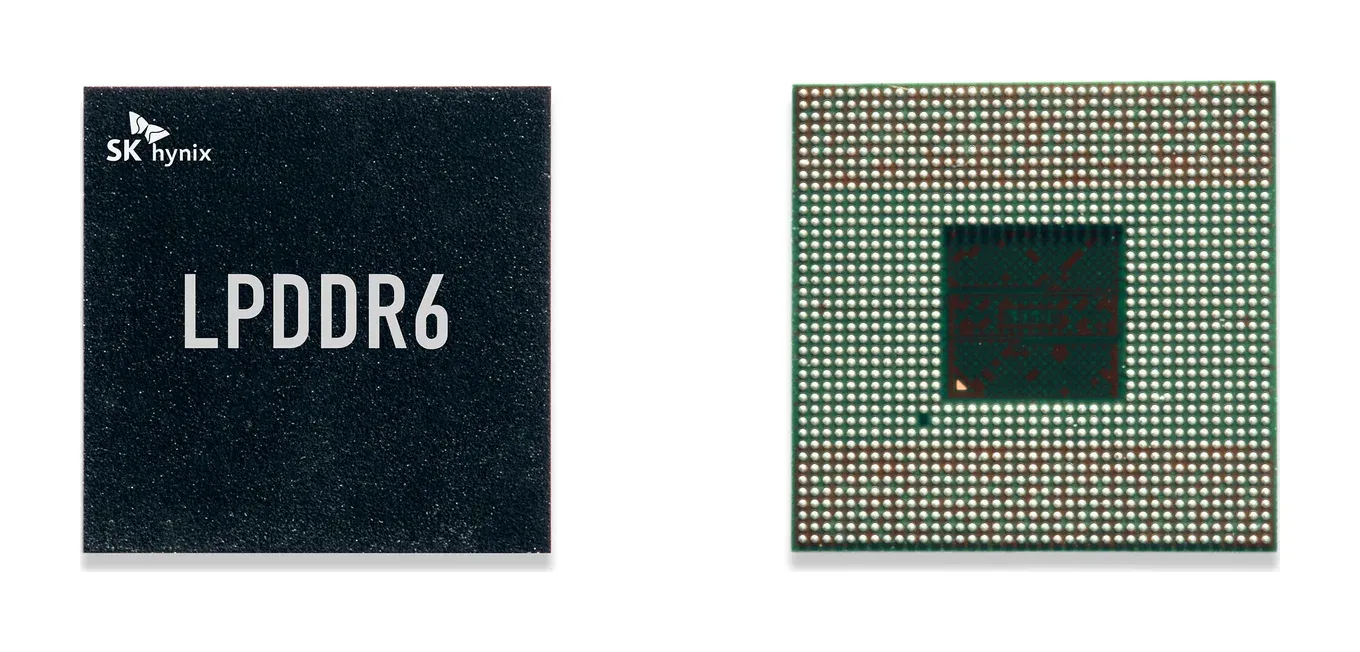
SK hynix’s March 10, 2026 announcement described development of 16Gb LPDDR6 using its 1c process and a plan to supply in the second half of 2026. The release supports the development milestone and the stated plan. It does not, by itself, confirm current delivery of every package or qualification on the reader’s chosen processor.
Use a readiness record with separate owners:
| Gate | Evidence required | Owner’s decision |
|---|---|---|
| Host support | Exact processor variant, supported memory mode and firmware requirements | Engineering confirms a feasible implementation |
| Package selection | Density, organization, ball map, dimensions and thermal constraints | Hardware team approves the selected configuration |
| Platform operation | Initialization, training, power-state and workload results | Validation team approves the tested configuration |
| Supply readiness | Ordering code, revision control and acknowledged delivery schedule | Procurement confirms coverage for the approved build |
For comparable sample quotes, specify the same usable capacity, package option and host platform, and ask what initialization support accompanies the parts. Give sample availability and production delivery separate dates. The engineering sample deadline should precede the board-freeze decision, when retaining the current design is still practical.
From engineering samples to a production order
Start with a platform feasibility check, then validate representative hardware before making production commitments that depend on the new memory. Use the project’s actual workload and power states to decide whether the migration’s benefits justify its integration effort.
Compare useful application work at the required capacity, with a stated workload, software build, ambient condition and power boundary. If the claim concerns system energy, include the controller and relevant supply losses in that boundary. A peak transfer-rate figure cannot answer whether the new platform completes the same task with less energy. A cache-resident benchmark may barely exercise external memory at all.
Validate the board revision, processor stepping, memory package and firmware as one combination. Cold boot and repeated restart exercise initialization; low-power entry and exit exercise retention and recovery; the intended high-load case tests sustained operation within the power and thermal budget. Set the required result for each case before testing, and investigate intermittent failures even when the main benchmark completes.
Finally, connect release quantities to both engineering approval and delivery evidence. If the platform slips, keep a defined fallback on the current memory generation rather than carrying a reservation that no shipping board can consume. The broader mobile-memory sourcing discussion addresses the package context; LPDDR6 procurement adds a new controller and qualification dependency.
Use the board-freeze date as a decision point. If either host validation or the required sample configuration is late, retain the qualified design for that release and move LPDDR6 to the next revision. This gives the new interface a development path without leaving the shipping product dependent on an unfinished migration.
Frequently Asked Questions (FAQ)
Does 16Gb LPDDR6 mean a 16GB memory package?
No. Lowercase b denotes bits and uppercase B denotes bytes. A 16Gb device represents 2GB of nominal bit capacity before considering how dies are combined into a package or system.
Should a procurement plan assume a published supply target has already been achieved?
No. A target is a dated plan. Request current ordering information, sample status and the delivery acknowledgment applicable to the exact package rather than converting the planned quarter into a confirmed shipment.
Can procurement compare LPDDR6 quotes before final platform qualification?
Yes, for planning, provided unresolved technical and commercial conditions remain explicit. Keep provisional quotes separate from approved production sources and avoid treating their quantities as usable build coverage.