Table of Contents
- What DLA QTSL Is — and Where It Sits Between QSLD and AS6081
- Why the DLA Built QTSL Around Counterfeit Risk
- The Standards Under QTSL: MIL-STD-883, MIL-PRF-38535, and QML/QPL
- FSC 5961 and 5962: Which Component Classes QTSL Covers
- How Does a Lab or Distributor Qualify for the DLA QTSL?
- QTSL vs. QSLD: Testing Suppliers and Distributors Do Different Jobs
- Commercial Lab Suitability and the 2025–2026 Accreditation Wave
- What Should Buyers Require From a QTSL-Qualified Supplier?
- Placing QTSL Alongside AS6081 and Other Counterfeit Controls
The Defense Logistics Agency Qualified Testing Suppliers List (QTSL) is not a general-purpose certification. It is a pre-award qualification that tells a defense or aerospace buyer whether a testing supplier has demonstrated, before any contract is signed, that it can screen semiconductors and microcircuits to the military’s standards. For an engineer, quality manager, or procurement specialist deciding where a legacy or space-bound part gets electrically tested, the QTSL is the shortest list of answers to a hard question: who has the DLA already looked at.
The distinction matters because most counterfeit-control content in the electronics industry is commercial. AS6081, IDEA-STD-1010, and ISO/IEC 17025 each describe useful practices, but none of them is a United States government procurement qualification. The QTSL sits inside a different system, anchored to MIL-STD-883 test methods, MIL-PRF-38535 microcircuit manufacturing requirements, and two Federal Supply Classes that define what the list actually covers. This article explains what the QTSL is, the standards behind it, how a lab gets listed, and what a buyer should require once a testing supplier claims the qualification.
The DLA describes the program’s purpose directly: it reduces the risk of nonconforming or counterfeit semiconductors and microcircuits entering the military supply chain, using testing and other quality assurance demonstrations performed prior to award. That “prior to award” clause is the operating difference from a post-purchase inspection. The qualification is supposed to be settled before money moves, not discovered during incoming inspection.
What DLA QTSL Is — and Where It Sits Between QSLD and AS6081
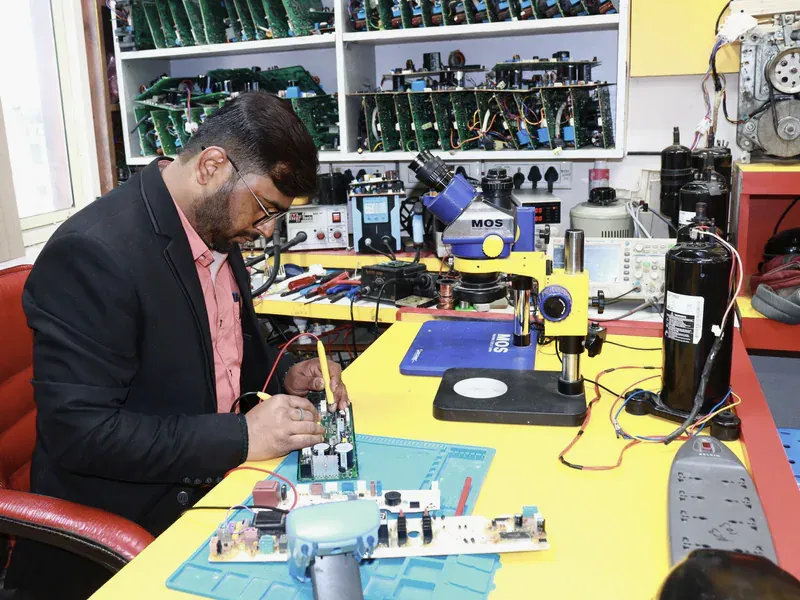
The QTSL is the Qualified Testing Suppliers List maintained by DLA Land and Maritime, and it names suppliers the agency has qualified to test the parts it buys. It is one of several DLA qualification programs, and buyers commonly confuse it with two adjacent terms.
QSLD is the qualified suppliers list of distributors. It applies to companies that supply components through distribution, whereas QTSL applies to companies that perform testing and screening of those components. A single organization can appear on both lists, but the two qualifications answer different questions: QSLD asks whether a distributor is an approved supplier, while QTSL asks whether a testing house can execute the test methods the military requires.
AS6081 is different again. It is a commercial standard, published by SAE, that specifies the counterfeit-avoidance management system an independent distributor operates. AS6081 addresses process controls inside a distributor’s own quality system; it carries no weight as a DLA procurement qualification, and holding it does not place a supplier on any DLA list. The cleanest way to keep the three apart is by what each one authorizes: QTSL authorizes testing, QSLD authorizes distribution, and AS6081 documents a counterfeit-avoidance process. A defense buyer who needs an electrically screened microcircuit is asking about the first, not the other two.
Why the DLA Built QTSL Around Counterfeit Risk
Military and aerospace buyers face the same counterfeit pressure as commercial buyers, but with a longer tail of consequences. A counterfeit part in a radar, a navigation system, or a satellite does not fail in isolation; it fails inside a system whose repair, recall, and safety review are governed by a different set of obligations than a commercial product. The DLA built its qualification programs, including QTSL, to push that risk detection earlier in the acquisition cycle.
The scale of the document-review effort shows how much passes through the agency’s technical review. The DLA Land and Maritime Sourcing and Qualification Division reports reviewing and disposing of more than 10,500 technical documents a year. Qualification lists, testing approvals, and specification packages all move through that same review channel, which is why a supplier’s claim about a DLA status is a claim that can be checked against a published list rather than taken on faith.
The program has a track record that predates the current accreditation wave. In June 2013, Secure Components announced it had become one of only nine distributors in the United States certified to the QTSL at that time, with an audit covering its business quality management system and a counterfeit-avoidance program aligned to JEDEC JESD31 and JESD625 guidelines. That historical figure is a snapshot, not a current cap; the number of qualified suppliers changes as designations are added, revised, or withdrawn, so treat any count as time-stamped.
The Standards Under QTSL: MIL-STD-883, MIL-PRF-38535, and QML/QPL
The QTSL exists to verify that a testing supplier can execute a specific body of methods, and the two documents that frame most of that work are MIL-STD-883 and MIL-PRF-38535.
MIL-STD-883 is the test method standard. It defines the environmental, mechanical, and electrical screening procedures used on microcircuits, including the electrical test plan that buyers frequently ask about. Electrical testing under MIL-STD-883 is performed across the military temperature range, commonly from −55°C to 125°C, as described in SMT Corp’s 2026 accreditation announcement. The temperature range is not a detail; a screen performed only at room temperature does not satisfy the full military profile.
MIL-PRF-38535 is the manufacturing general specification for microcircuits, and it is the parent document behind the QML and QPL qualification concepts. The official MIL-PRF-38535 specification page ties the standard to Qualified Manufacturer List (QML) classes, notably QML-Q for military-grade and QML-V for space-grade parts, and to Technology Conformance Inspection (TCI) requirements. The specification has been revised repeatedly over time, with successive letters—H, J, and K among them—traceable across the 2010–2013 period in public military specification archives. When a buyer cites “MIL-PRF-38535,” it is worth confirming which revision governs the part, because class definitions and conformance requirements have moved between revisions.
The practical read: QTSL verifies the tester, while QML and QPL verify the manufacturer and the product line. A part built to a QML-V flow and then screened by a QTSL lab has two independent layers of military qualification behind it, which is the combination a space or missile program is usually asking for.
FSC 5961 and 5962: Which Component Classes QTSL Covers
The QTSL is scoped, not universal. It covers two Federal Supply Classes: FSC 5961 for semiconductor devices and related hardware, and FSC 5962 for microcircuits and electronic modules. The DLA QTSL page states this coverage directly, and it is the boundary buyers most often miss when they assume the list applies to any electronic part.
FSC 5961 covers discrete semiconductors—diodes, transistors, and the packaged and unpackaged device families that carry their own military specifications. FSC 5962 covers integrated circuits and the assembled microcircuit modules that dominate avionics and space electronics. A part’s Federal Supply Class is not something a buyer has to infer from the datasheet; it is assigned on the item’s National Stock Number, so the logistics or technical-data record for the part states it explicitly.
The distinction leads to practical questions about which component families fall inside the qualification’s scope. Radiation-tolerant and radiation-hardened microcontrollers sit squarely in FSC 5962 territory, which is why their sourcing and screening discussion in our rad-hard MCU guide runs in parallel with this one. A power discrete for a defense power supply, by contrast, is more likely an FSC 5961 item—a separate qualification path even though the same test lab might handle both.
How Does a Lab or Distributor Qualify for the DLA QTSL?
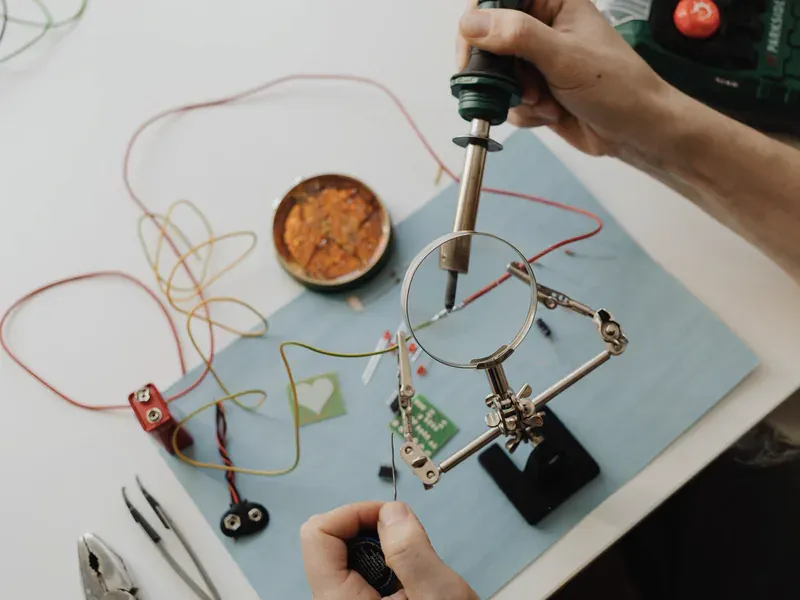
Qualification is an audit-driven process, not a self-declaration. A testing supplier submits to review by the DLA’s Sourcing and Qualification Division, which examines whether the organization’s quality system, equipment, procedures, and personnel can actually perform the test methods claimed for the relevant Federal Supply Classes.
The 2026 SMT Corp announcement is the most instructive public example of what the process looks like in practice. The company’s DLA Commercial Laboratory Suitability designation covers MIL-STD-883 testing and QTSL for FSC 5961 and 5962, was issued in January 2026, and was preceded by an audit conducted 24–26 June 2025 under the designation identifier VQC-26-040049. That timeline—an on-site audit in one quarter, a designation the next—illustrates the cadence a buyer can expect when a supplier says it is “in process” for QTSL.
For a distributor, the audit scope broadens beyond testing to the controls that protect part identity through the supply chain. The Secure Components example describes audits of a business quality management system and a counterfeit-avoidance program against JEDEC JESD31 and JESD625, which covers marking, packing, and traceability practices. The through-line across both lab and distributor qualifications is the same: the DLA verifies a documented, audited system rather than a one-time test result.
QTSL vs. QSLD: Testing Suppliers and Distributors Do Different Jobs
The single most useful question a buyer can ask when a supplier flashes a “DLA qualified” badge is which list the supplier actually holds. QTSL and QSLD sound similar, are administered by the same division, and are frequently blurred in supplier marketing, but they authorize different activities.
A QTSL-qualified lab is approved to test and screen components. A QSLD-qualified distributor is approved to supply them. The testing lab may never take title to the parts; the distributor may never run an electrical test. When a program needs both a screened lot and a supplier that can move it, the buyer may be looking at two different organizations, or one organization holding both designations.
Spirit Electronics illustrates the distributor side of the divide. The company was added to the DLA qualified suppliers list of distributors for microcircuits and semiconductors in 2019, and it later built out MIL-STD-883 test services under DLA Commercial Laboratory Suitability, as reported by Military Embedded Systems. The sequence—distribution qualification first, testing capability added later—is common, and it means a buyer should not assume that a listed distributor is also a qualified testing lab, or vice versa. Confirm the specific designation for the specific activity you are buying.
Commercial Lab Suitability and the 2025–2026 Accreditation Wave
The past eighteen months have produced a cluster of public announcements around DLA Commercial Laboratory Suitability, the designation that lets a commercial test house perform MIL-STD-883 work for defense applications without being a military-only facility. That distinction is the reason the acronym keeps appearing: it broadens the pool of qualified testers beyond traditional defense contractors.
The 2026 SMT Corp designation, issued in January 2026 against a June 2025 audit, and Spirit Electronics’ earlier expansion into MIL-STD-883 test services are both markers of the same trend. Commercial laboratories and independent distributors are investing in the MIL-STD-883 capability because it opens a channel into defense and aerospace screening that commercial AS6081 work alone does not reach.
For the buyer, the wave cuts both ways. More qualified labs mean more screening capacity and, often, faster turnaround for a legacy part that needs an electrical test plan executed. It also means a supplier’s marketing may lead with “DLA” and “MIL-STD-883” language while the actual designation, scope, and effective date are more specific. The discipline of reading the designation identifier and its issue date—VQC-26-040049 in the SMT Corp case—is what separates a genuine qualification from a promotional paraphrase.
What Should Buyers Require From a QTSL-Qualified Supplier?

Qualification on the list is a starting point, not a substitute for a well-specified test. The buyer still has to tell the lab what to do and what evidence to return, or the test report will not mean what the program needs it to mean.
The requirement set begins with scope. Confirm the supplier’s QTSL designation covers the Federal Supply Class of the part being screened—5961 or 5962—and the specific MIL-STD-883 methods the purchase requires. Then specify the conditions: the temperature range, the test methods by number, the sample plan, and the acceptance criteria. The −55°C to 125°C military range is common, but the buyer must state it rather than assume the lab will default to it.
The evidence package matters as much as the test itself. Require a test report that names the methods and conditions, identifies the lot, date codes, and quantity tested, and is signed against the lab’s current designation. Require lot-level traceability back to the original manufacturer wherever the part’s pedigree is in question, and retain the designation identifier and covering audit dates with the sourcing record. The DLA qualification confirms the lab’s system; it does not confirm that your specific lot was tested to your specific parameters. That confirmation is what the report, the traceability chain, and the acceptance criteria are for.
Buyers who want to extend the same discipline to the rest of their supplier base can use our supplier qualification audit framework and the second-source qualification timeline, both of which apply the same verify-before-you-trust logic to commercial sourcing decisions. For defense and aerospace programs specifically, the defense and aerospace solutions page outlines how this screening and traceability discipline fits the broader supply-chain picture.
Placing QTSL Alongside AS6081 and Other Counterfeit Controls
No single qualification closes out counterfeit risk. QTSL, AS6081, QML/QPL, and laboratory accreditation each cover a slice of the problem, and a defense program usually needs several of them to overlap on the same lot.
AS6081 governs the counterfeit-avoidance system an independent distributor operates. It is the right lens for open-market and legacy parts moving through distribution, and our AS6081 compliance guide details what that certification does and does not prove. QTSL governs the testing supplier that screens military parts. A legacy defense microcircuit sourced through an independent channel can, in a single transaction, involve an AS6081-certified distributor, a QTSL-qualified testing lab, and a part whose manufacturer held a QML class—three separate assurances that are easy to collapse into one “qualified” claim if the buyer is not watching the boundaries.
The boundaries are the point. QTSL says the tester is qualified, not that the part is authentic. AS6081 says the distributor runs a counterfeit-avoidance system, not that a given lot is genuine. QML says the manufacturer’s line was qualified to a class, not that the specific date code in front of you came off that line. Each qualification reduces a defined risk, and a disciplined sourcing decision treats them as complementary controls rather than interchangeable badges. For a defense or aerospace buyer, that layered reading—tester, distributor, and manufacturer each verified against their own standard—is what turns a supplier’s “DLA qualified” into a judgment you can actually defend.
Frequently Asked Questions (FAQ)
What is the difference between the DLA QTSL and QSLD programs, and which applies to my component supplier?
QTSL is the Defense Logistics Agency list of qualified testing suppliers for FSC 5961 semiconductor devices and FSC 5962 microcircuits, while QSLD is the qualified suppliers list for distributors of those parts. A testing lab that screens or tests parts falls under QTSL; a distributor supplying finished components falls under QSLD, and a supplier may hold both qualifications.
How does DLA QTSL differ from AS6081 certification for counterfeit avoidance?
QTSL is a government pre-award qualification tied to military procurement and the MIL-STD-883 and MIL-PRF-38535 framework, whereas AS6081 is a commercial industry standard describing the counterfeit-avoidance system an independent distributor operates. A supplier can hold AS6081 certification without any DLA qualification, and the two are not interchangeable.
What FSC classes does QTSL cover, and how do I know which applies to a specific part?
QTSL covers FSC 5961, which is semiconductor devices and related hardware, and FSC 5962, which is microcircuits and electronic modules. Determine the class from the item's Federal Supply Class assignment on its National Stock Number, which a logistics or technical-data record will state explicitly.
What test reports and documentation should I require from a DLA QTSL-qualified lab for a defense microcircuit?
Require a test report that names the applicable MIL-STD-883 methods and test conditions, states the temperature range used, identifies the lot, date codes, and quantity tested, and is signed against the lab's current QTSL designation. Ask for the designation identifier, the covering audit dates, and lot-level traceability back to the original manufacturer.
How can I verify that a testing supplier is genuinely on the current DLA QTSL?
Check the supplier against the DLA Land and Maritime Sourcing and Qualification Division's current published list rather than relying on a supplier's own marketing. Confirm the listed company name, legal entity, and scope match the entity performing the work, and note that designations are dated and can be revised.