

Table of Contents
- Define a Production-Ready Electronics Kit
- Freeze the BOM and Kit Identity
- Verify Quantity, Packaging, and Lot Data
- Preserve MSL and ESD Condition
- Keep Alternates and Deviations Visible
- Manage Shortages, Attrition, and Overage
- Define the Kit Handoff Record
- Audit a Kitting Provider With a Sample Order
An electronic component kit is production-ready only when the assembler can verify what it contains, which build it belongs to, and whether each item remains acceptable for use. A tote full of reels is not a controlled kit. The release record must connect BOM revision, work order, exact part identity, quantities, lots, packaging condition, inspection status, and deviations.
Kitting can reduce line-side searching and expose shortages before setup, but it also creates a quality handoff. Repacking, splitting reels, mixing lots, or separating moisture-sensitive material from its records can turn an efficient logistics step into a traceability failure.
Define a Production-Ready Electronics Kit
A complete kit has a named customer or program, site, work order, assembly number, BOM revision, planned build quantity, kit identifier, preparation status, and release authority. Its manifest uses stable BOM line numbers so a sorted spreadsheet cannot detach a part from its history.
For each line, the kit record should show:
- original manufacturer and complete manufacturer part number;
- approved customer or internal part number;
- required, issued, short, excess, sampled, and damaged quantity;
- unit of measure and physical packaging form;
- lot and date codes when controlled;
- inspection and release status;
- MSL, ESD, storage, and special-handling status;
- alternate or deviation reference;
- container, reel, tray, tube, or bag identifier.
Use the BOM sourcing workflow to establish the purchasable identity before material reaches kitting. Kitting should not become the place where a truncated order code is interpreted.
Freeze the BOM and Kit Identity

Release the kit against one BOM and work-order revision. If engineering changes the design after material is picked, stop and reconcile affected lines. Do not update a printed manifest while leaving the electronic record or reel labels tied to the old revision.
The kit identifier should appear on the manifest and outer containers without obscuring original manufacturer labels. Internal labels may add work order, line, quantity, and status, but they should not replace source labels or imply that repacked material remains factory sealed.
Keep customer part number, manufacturer part number, and distributor SKU in separate fields. They serve different purposes. The customer number links the design; the MPN controls the orderable item; the distributor SKU describes one seller’s catalog and pack.
When an alternate is used, record the released approval. A note such as “equivalent” is insufficient. The component alternatives process can identify candidates, while the customer’s engineering and quality functions approve the actual change.
Verify Quantity, Packaging, and Lot Data
Electronic components can be counted by label quantity, weight, vision counter, reel counter, tray position, tube count, or manual count depending on package and risk. Define the method and tolerance. If the kit provider relies on a reel label, it should know whether the reel was previously opened or partially consumed.
Reconcile these quantities for every line:
required = issued to kit + recorded shortage
available input = issued + retained excess + samples + damage/scrap
The equations do not prove the identity is correct, but unexplained variance is a reason to stop. Record components removed for incoming inspection or destructive testing so the production shortage is not discovered at the machine.
Mixed lots may be acceptable for one commercial build and prohibited for another. The manifest should show each lot separately when date code, traceability, qualification, or process control matters. Never collapse several reels into one “lot” because they share an MPN.
Preserve MSL and ESD Condition
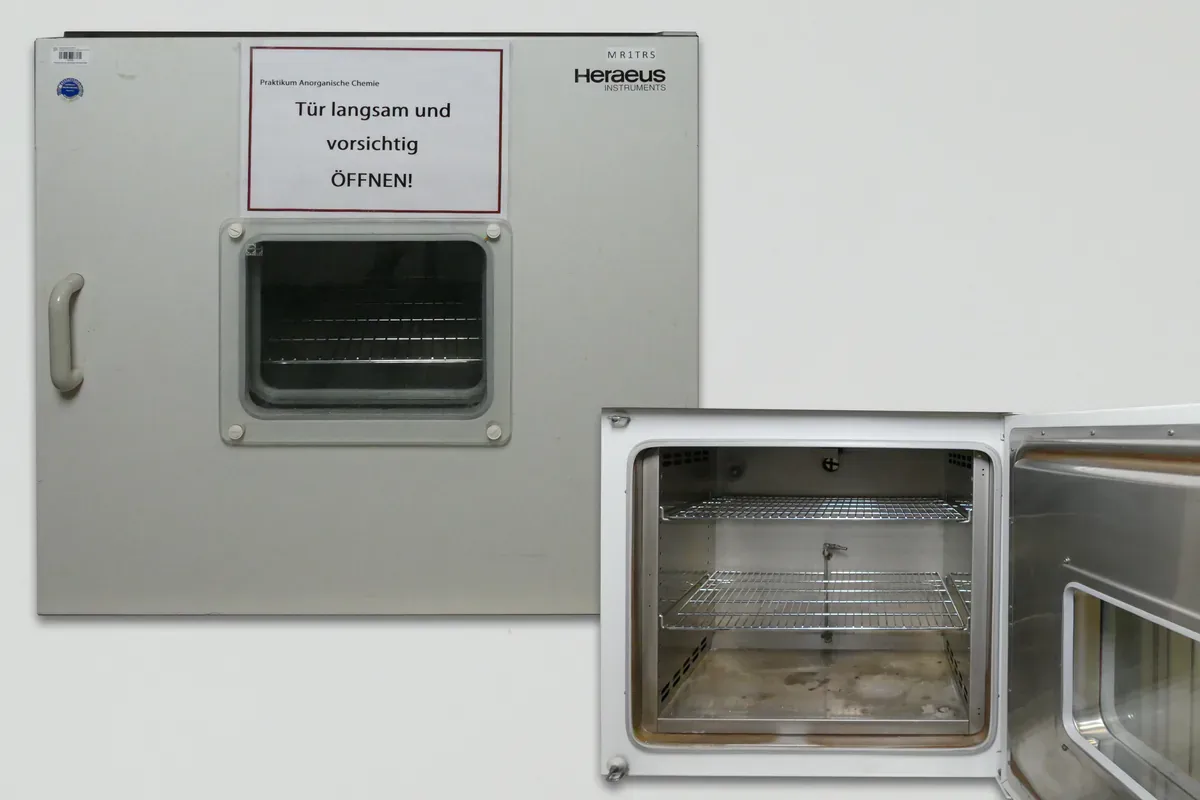
Moisture-sensitive devices require a chain of handling information. The relevant classification, dry-pack condition, bag seal, desiccant, humidity indicator, exposure time, storage, and any bake record need to remain tied to the material. The MSL floor-life and receiving guide explains how to start and control that clock.
J-STD-033 is the industry handling, packing, shipping, and use standard commonly applied to moisture/reflow-sensitive devices. The applicable contract and revision control the work. A kit provider should not claim compliance merely because it places parts in a silver bag.
ESD protection also must continue through kitting, transport, storage, and line-side use. ANSI/ESD S541-2026 defines packaging properties for protecting electrostatic-discharge-sensitive items through production, transport, and storage. Select packaging based on the item’s sensitivity and the ESD control program, not on appearance.
If reels are split, state whether the new package is moisture-barrier or only ESD protective, identify who repacked it, record the quantity and source reel, and retain exposure history. Do not describe a resealed bag as original manufacturer sealed.
Keep Alternates and Deviations Visible

A kit may contain a released alternate, approved mixed date codes, partial quantity, substitute package form, or material awaiting a document. Each deviation needs a unique reference, scope, approver, date, and disposition. Place it on the manifest and electronic status record; do not rely on an email thread outside the kit.
Use physical segregation when an operator could confuse approved, pending, and rejected material. Color can support status but should not be the only control. Labels need readable words or machine-readable status, and the system should prevent a pending line from being released automatically.
Regulatory declarations should stay tied to manufacturer and order code. The RoHS exemptions and component declaration guide explains why a family-level or supplier-created statement may not resolve an exact part. A kit label cannot upgrade the evidence behind the material.
Manage Shortages, Attrition, and Overage
Define whether a build may begin with a short kit. Some factories require complete kitting; others release when missing lines are not needed until a later operation. The decision should use the routing and scheduled replenishment, not a generic completeness percentage.
For each shortage, record the affected BOM line, required quantity, available quantity, cause, buyer, promised receipt, production need date, and fallback. Separate material that is late from material that has no qualified source. A delivery promise is not the same as allocated inventory.
Attrition allowances should be component- and process-specific. Fine-pitch, low-quantity, programmable, high-value, and moisture-sensitive items do not share one sensible percentage. Record actual loss by work order and feed it into later kit quantities.
Overage also needs disposition. Return to controlled stock, retain as customer-owned inventory, transfer to another work order, return to supplier where permitted, or quarantine pending review. The manifest should reconcile the decision.
Define the Kit Handoff Record
At release, the provider and recipient should agree on:
| Control | Evidence at handoff | Release question |
|---|---|---|
| Configuration | Assembly, BOM, and work-order revision | Is this the intended build? |
| Identity | MPN, manufacturer, labels, and line mapping | Is each part correctly identified? |
| Quantity | Required, issued, short, excess, and sampled | Can the approved build proceed? |
| Lot status | Lot/date records and inspection release | Are restrictions satisfied? |
| MSL/ESD | Package condition and handling record | Is material still protected and usable? |
| Deviations | Approved references and affected quantity | Are all exceptions authorized? |
| Custody | Container seal, count, time, sender, receiver | Is responsibility transferred visibly? |
Receiving should report discrepancies before material is consumed. If a seal is broken or a container count differs, preserve the packaging and record the observation rather than quietly correcting the manifest.
Audit a Kitting Provider With a Sample Order
Review procedures and certifications, then follow one sample BOM line from incoming material to a released kit and back. Ask the provider to demonstrate revision control, label generation, split-reel traceability, MSL/ESD handling, inventory status, shortage escalation, deviation approval, reconciliation, and record retrieval.
The broader supplier qualification framework can organize company-level due diligence. For a kitting audit, the decisive evidence is whether the provider can trace a real quantity through its process without reconstructing the answer after the visit.
Kitting quality is visible at the handoff. A well-controlled kit lets the production team start with fewer searches and fewer assumptions while preserving the evidence the SupplyICs quality approach expects from component sourcing through delivery.
Frequently Asked Questions (FAQ)
What is electronic component kitting?
Electronic component kitting is the controlled preparation of specified parts for a production order, assembly, or build. A usable kit connects each item to the BOM revision, work order, exact part identity, quantity, lot status, packaging condition, and any approved deviation.
What should be checked before releasing a component kit?
Verify the BOM and work-order revision, full manufacturer part number, quantity, unit of measure, package form, lot and date codes, inspection status, MSL and ESD condition, approved substitutions, shortage records, and reconciliation totals.
Can moisture-sensitive parts be repacked into a kit?
They can be handled under a documented process that preserves the applicable moisture-barrier, desiccant, humidity indication, labeling, exposure, and floor-life controls. The specific component classification and governing handling requirement determine what is acceptable.
How should shortages and overage be recorded in an electronics kit?
Record required, issued, short, excess, damaged, sampled, and expected replenishment quantities by stable BOM line. State whether the build may start short and who approved any substitution, split lot, or quantity deviation.