Table of Contents
DRAM that looks correct can still fail platform operation when the module’s management information or power configuration is wrong. The serial presence detect (SPD) hub and power-management IC (PMIC) are part of the module’s released configuration.
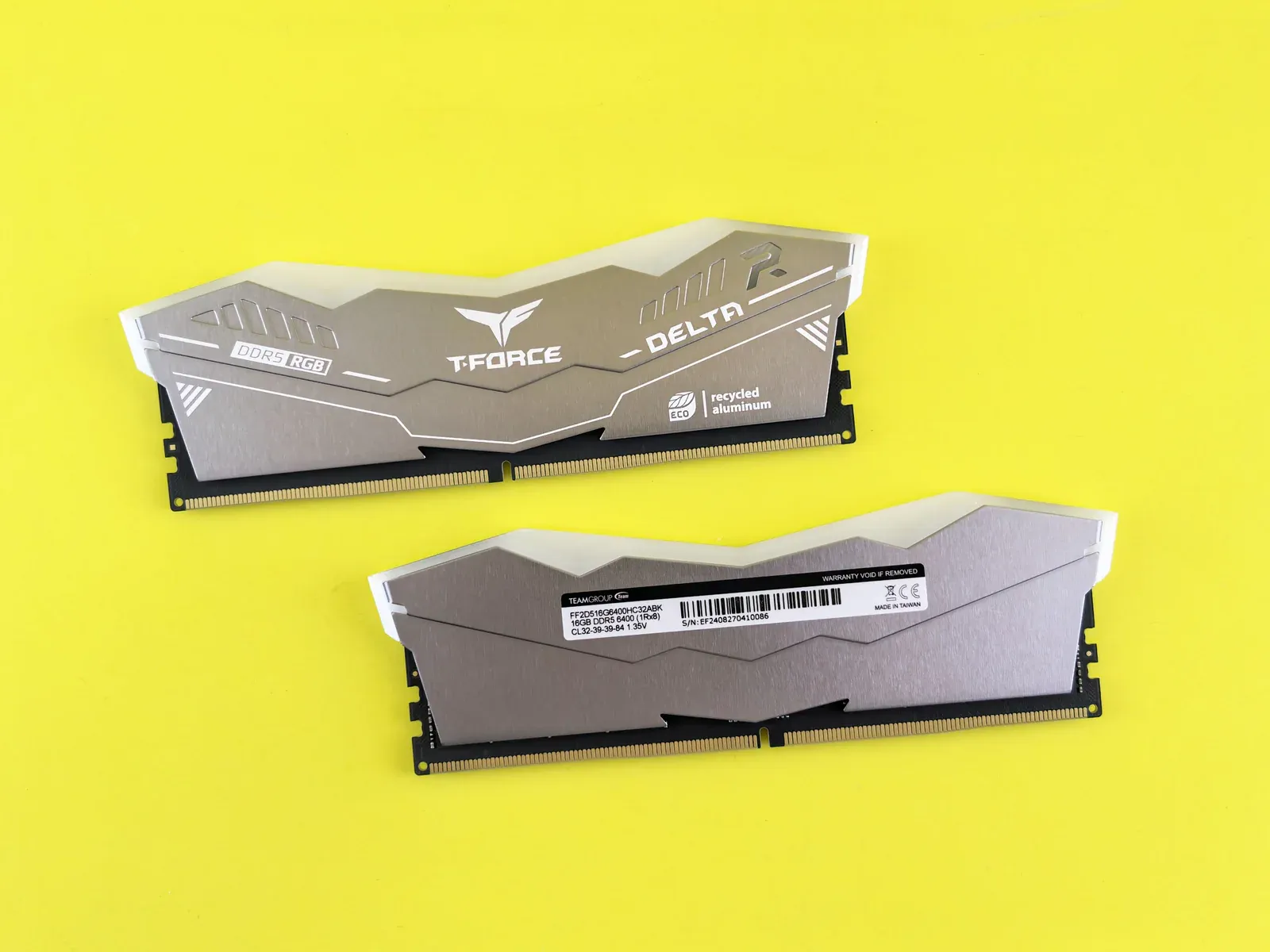
For sourcing and repair, preserve the module identity as a set: module part and revision, DRAM organization, SPD contents, hub variant, PMIC configuration and platform support. Replacing one member of that set can require more than a component-level electrical test.
The SPD hub carries module identity, not just memory data
The SPD hub provides access to nonvolatile module information and supports management-bus behavior; it is not the DRAM array or the power regulator. A successful read therefore cannot establish that the memory data path works.
Renesas’ SPD5118 description identifies a hub function and 1,024 bytes of nonvolatile memory arranged in 16 blocks, with block-level write protection. The product family also includes temperature-sensing functionality. Use the exact ordering option and approved documentation for implementation details.
For incoming module verification, record the module label and read-only SPD identity before any attempted repair. Compare it with the approved module specification and platform expectations. An unexplained mismatch should be investigated, not overwritten to make the module appear acceptable.
Which read-only fields belong in the incoming record?
Capture the module manufacturer, module part number and revision, DRAM organization and rank, the SPD revision or configuration identifier, and any serial or lot identifier the module exposes. Add the hub and PMIC markings visible on the assembly, plus the host firmware version used to read the data. These fields let a later comparison distinguish a configuration difference from a failed component.
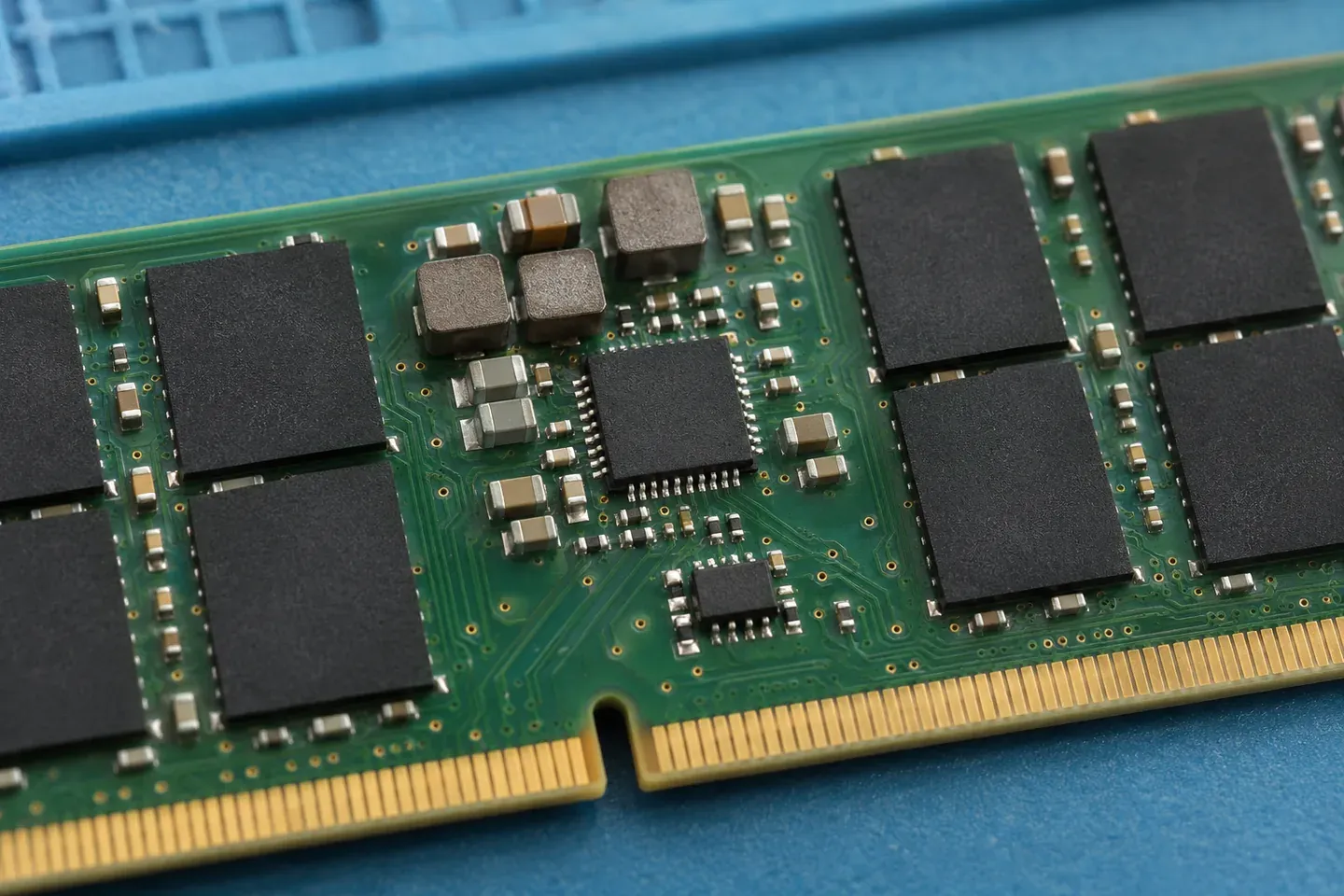
How can a PMIC or configuration change affect compatibility?
The PMIC establishes the module’s power behavior, while its configuration and the platform’s control sequence determine how those rails become available. A physically compatible replacement can still have different programming or startup behavior.
Obtain the module manufacturer’s release information for the permitted PMIC and configuration. Preserve default and programmed states, write-protection conditions and any production provisioning requirements. If those records are unavailable, component replacement may not be a reproducible repair process.
A plain diagnostic separation is:
| Observation | What it establishes | What remains unresolved |
|---|---|---|
| SPD readable | Management path responds | DRAM health, training and sustained operation |
| Rails present | Some power functions operate | Sequence, transient behavior and correct settings |
| Training completes | Platform established a memory configuration | Full workload stability and required operating corners |
| Functional tests pass | Tested data path and conditions worked | Untested platform/firmware combinations |
This avoids interpreting one successful check as complete module qualification.
Which records should stay together during a replacement trial?
Keep the original read-only identity record, module revision, affected component code, approved replacement, provisioning procedure and host firmware version together. Each test result should identify that same configuration.
Start by reproducing the failure on the approved platform. Compare management communication, power sequence and training logs before choosing a component to replace. A hub that responds intermittently may be affected by the bus or supply, while a stable SPD read with failed training points to a different investigation.
After an approved repair or alternate-module trial, repeat cold boot, warm restart, training and memory workload checks. Include the platform’s intended operating corners and population rules. Keep a distinction between an engineering sample and material released for production service.
The DDR5 RDIMM replacement guide handles rank, density and platform support. The CUDIMM/UDIMM comparison addresses clock-driver architecture. Neither task should be collapsed into an SPD rewrite.
What is the practical purchasing boundary?
When the module’s programming and component-release information are controlled by its manufacturer, sourcing an approved complete module may be more defensible than attempting a component substitution with missing configuration data. Decide that boundary before ordering loose hubs or PMICs.
A supplier comparison should specify module part number, revision policy, platform qualification and firmware expectations, then identify which changes require notification. The industrial maintenance decision framework can help weigh repair against an approved replacement.
Preserving the configuration record gives a later failure investigation something concrete to compare. A label that merely says “DDR5 compatible” cannot provide that continuity.
Frequently Asked Questions (FAQ)
Is an SPD hub the same as a DDR5 clock driver?
No. An SPD hub supports configuration-data access and local management functions; a clock driver has a different role. Compare the module architecture before identifying an alternate component.
Does reading the SPD successfully prove the DRAM is healthy?
No. It confirms only that the relevant management path responded. Memory training and functional tests are separate checks.
Can a blank SPD hub be fitted and expected to identify the module?
No. The correct configuration data and write-protection process must be established by the module owner or manufacturer. A blank device does not supply the module’s validated identity.