
Semiconductor Market Intelligence & Insights
Strategic analysis of global IC supply chains, procurement trends, and lifecycle solutions for electronics industry professionals.
Latest Articles
GPIO Expander Selection: I2C vs. SPI, Interrupts, and Power-Up State
Select a GPIO expander by port count, I2C or SPI timing, input thresholds, output structure, interrupts, reset defaults, partial-power behavior, and firmware.
Instrumentation Amplifier Selection: Common Mode, Gain, and Error Budget
Select an instrumentation amplifier by sensor source, input common mode, gain, output headroom, CMRR, noise, protection, calibration, and validation.

Battery Charger IC Selection: Chemistry, Power Path, and Thermal Limits
Select a battery charger IC by cell chemistry, series count, input source, charge profile, power path, temperature limits, low-power behavior, and validation.
Buck Converter IC Selection: Duty Cycle, Transients, and Thermal Margin
Select a buck converter IC by input range, duty-cycle limits, load transients, current limit, EMI, thermal margin, and exact orderable configuration.
Hot-Swap Controller Selection: Inrush, MOSFET SOA, and Fault Timing
Select a hot-swap controller by live-insertion conditions, load capacitance, external MOSFET SOA, current limit, timer, retry, and board-level fault tests.
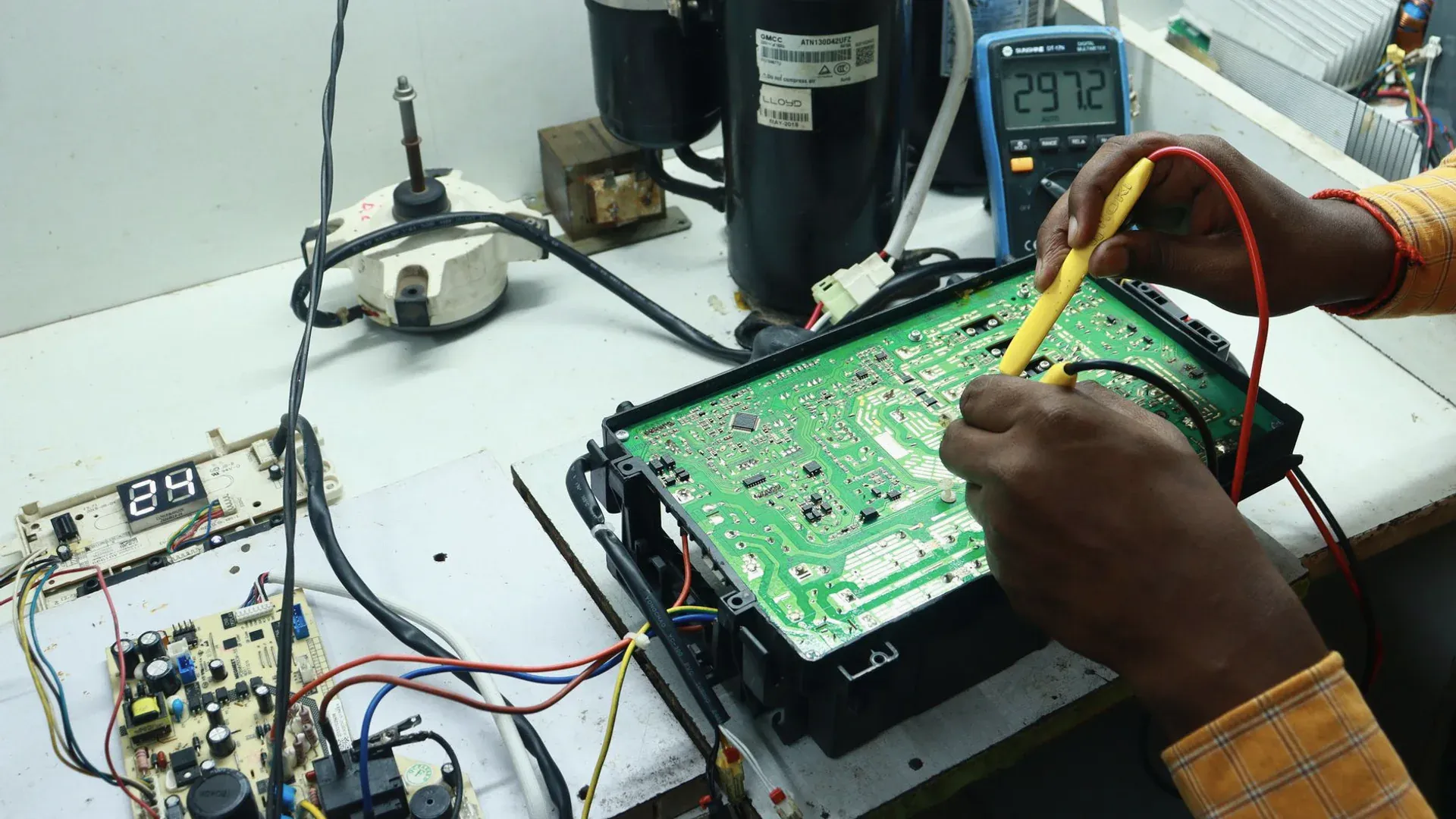
Current-Sense Amplifier Selection: Common Mode, Shunt Loss, and Dynamic Range
Select a current-sense amplifier by shunt loss, common-mode range, offset, gain, PWM response, ADC headroom, temperature drift, and board validation.
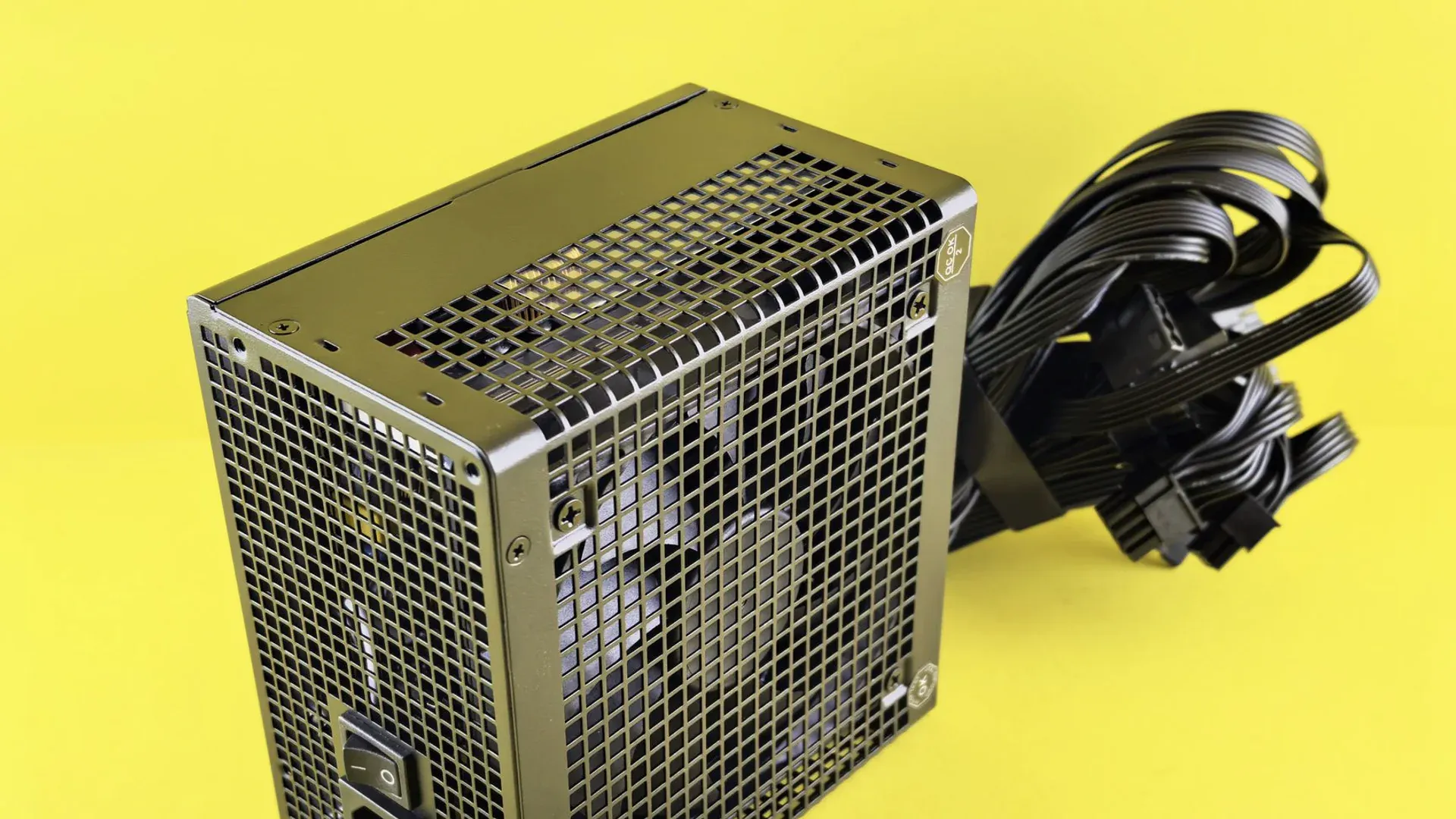
Ideal Diode Controller Selection: Reverse Current, ORing, and MOSFET Stress
Select an ideal diode controller and MOSFET for reverse-current blocking, supply ORing, transient stress, turn-off response, loss, and thermal margin.
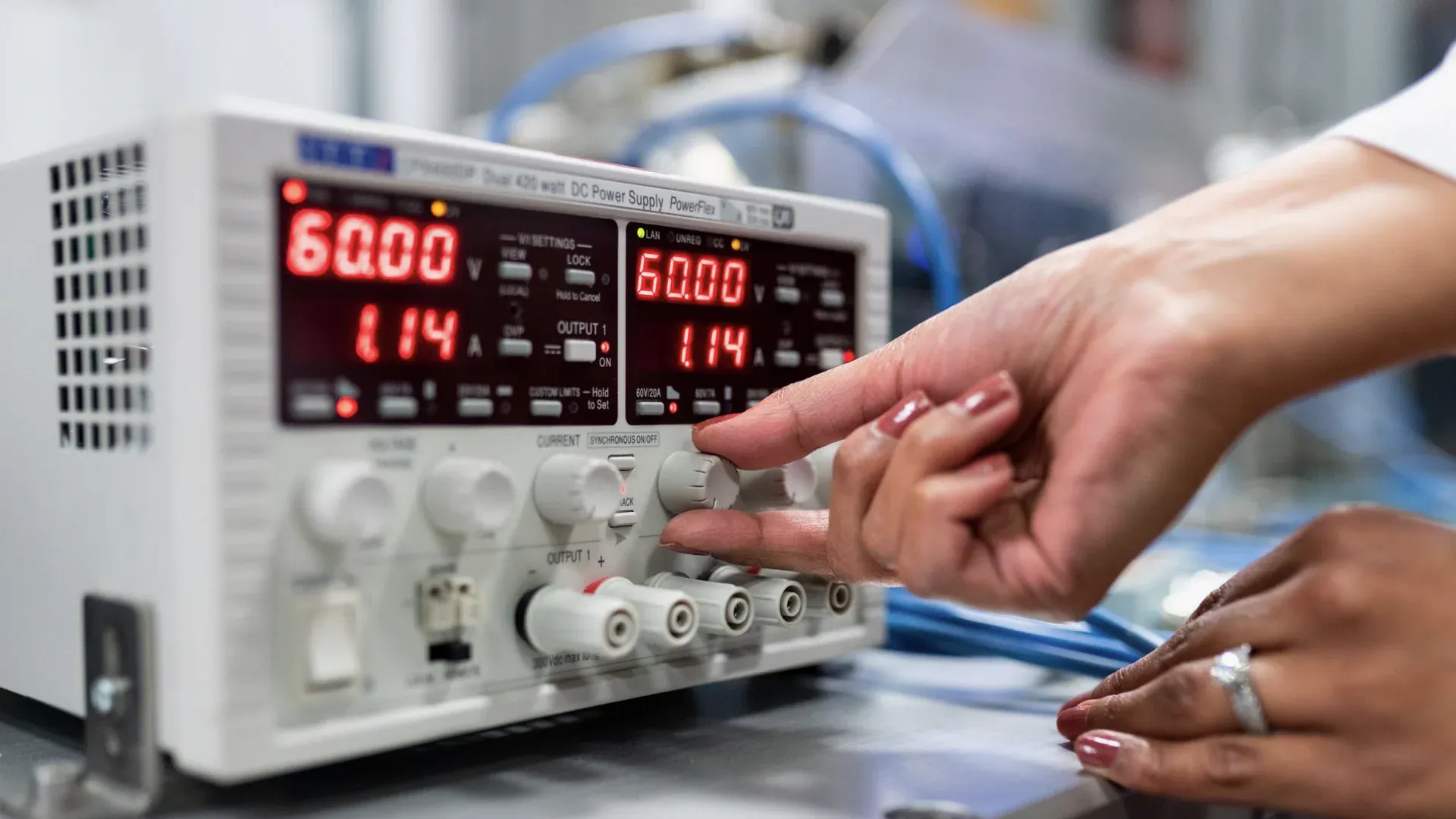
LDO Regulator Selection: Dropout, Noise, PSRR, and Thermal Margin
Select an LDO regulator using worst-case headroom, dissipation, output noise, frequency-dependent PSRR, capacitor stability, startup, and reverse-current behavior.
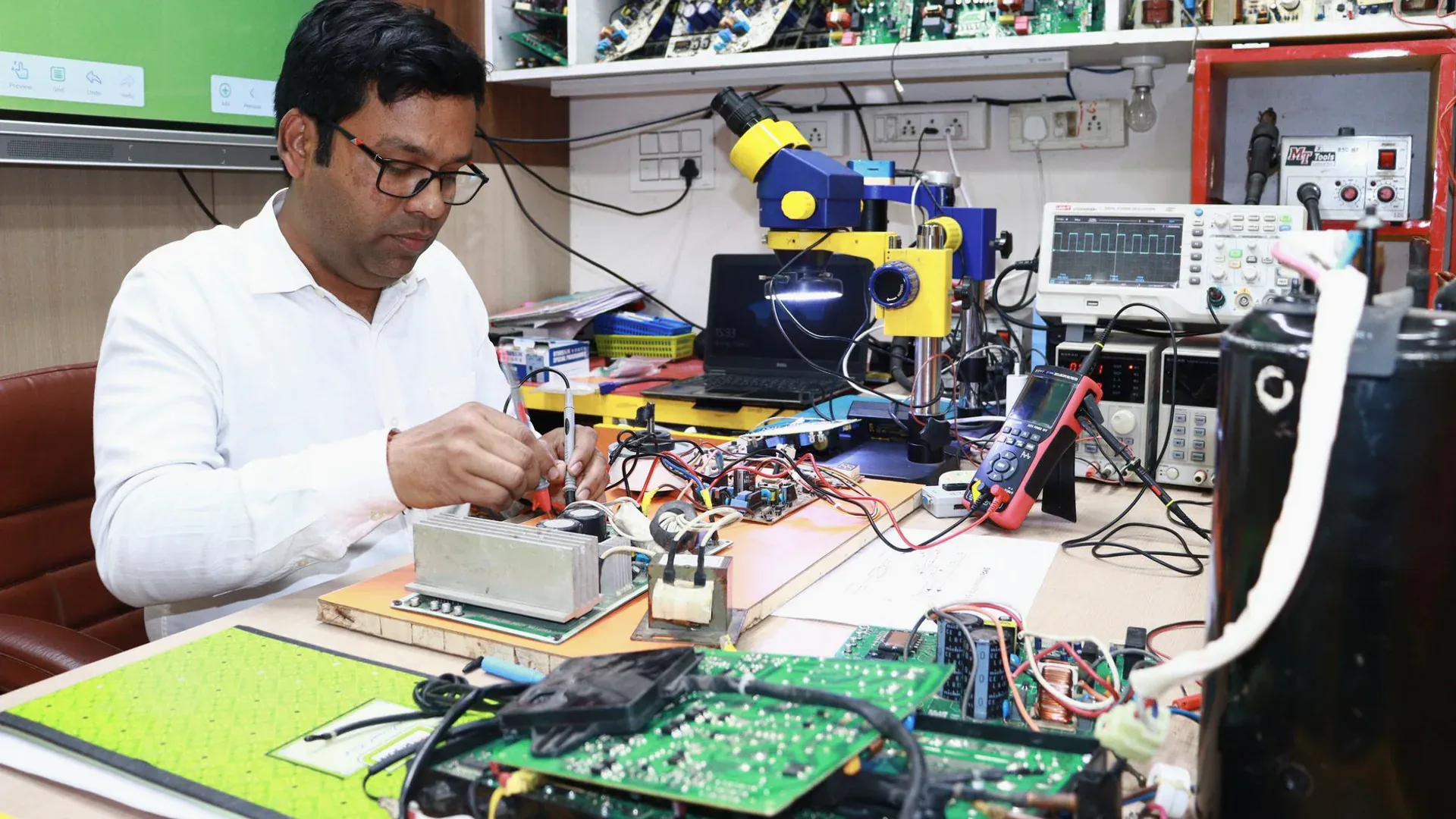
eFuse IC Selection: Inrush Control, Fault Response, and Reset Behavior
Select an eFuse IC from the rail's voltage, startup energy, current-limit tolerance, fault response, reverse blocking, and thermal operating conditions.
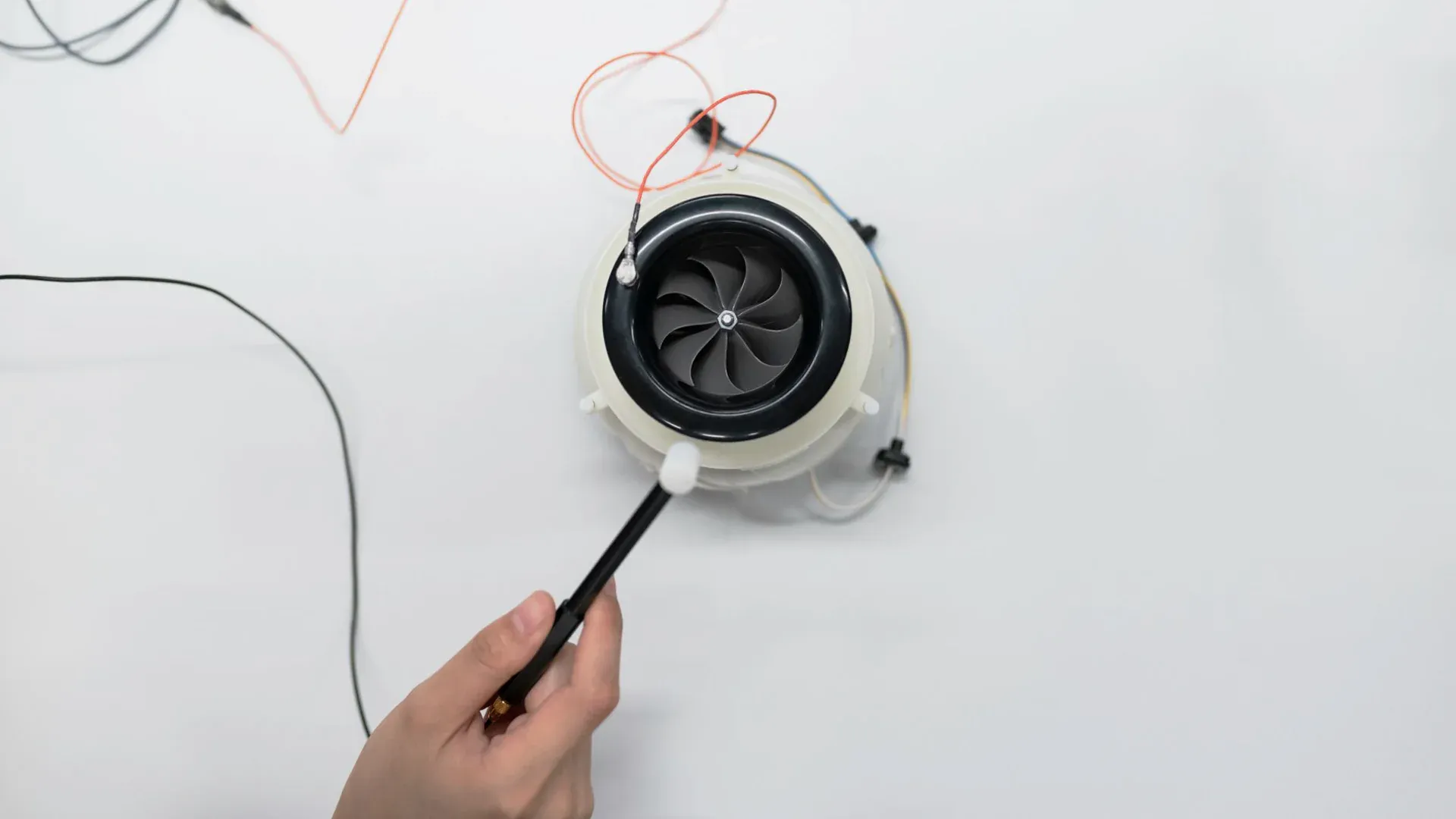
Hall-Effect Current Sensor Selection: Isolation, Range, and Error Budget
Choose a Hall-effect current sensor by architecture, isolation, peak range, bandwidth, temperature error, mechanical tolerance, and the target control loop.
Need Electronic Components?
Our team specializes in sourcing hard-to-find, EOL, and obsolete components with full traceability. Get a personalized quote within 24 hours.